
THIS one habit can give you an eye infection or make you blind |
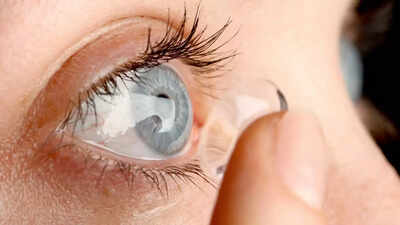
Vision loss is something most people associate with accidents. A sharp object. A chemical splash. A sudden injury. Very few people expect it to come from a habit they repeat almost every night without thinking. Yet one of the most common causes of serious eye infections starts quietly, usually just before sleep, when people decide not to remove their contact lenses.Sleeping in contact lenses feels harmless because nothing happens immediately. You wake up. Your eyes feel dry. Maybe a little sore. You blink a few times and move on with your day. What most people do not realise is that damage does not always announce itself right away. Infections can begin silently while the eye is closed and oxygen levels are low.
When the eyelids stay shut for hours, the eye environment changes. Tear flow slows. Oxygen supply drops. Bacteria that would normally be flushed away get time to multiply. A contact lens sitting on the cornea turns that space into a sealed surface, trapping microbes exactly where they can do the most harm.A peer-reviewed study published inClinical Infectious Diseases found that sleeping in contact lenses significantly increases the risk of microbial keratitis, a severe corneal infection that can lead to permanent scarring and vision loss if treatment is delayed. Once you understand how quickly these infections can escalate, the habit stops feeling casual.
Why sleeping in contact lenses puts the eye under stress
The cornea does not receive oxygen through blood vessels. It depends on direct exposure to air. During sleep, oxygen availability is already reduced because the eyelids are closed. Contact lenses further restrict that supply.This lack of oxygen weakens the corneal surface. Small breaks form more easily. Bacteria and fungi can enter through these weakened areas. Even lenses marketed as breathable or suitable for extended wear still increase risk compared to removing them before sleep.
How eye infections begin without obvious warning
One of the most dangerous aspects of contact lens-related infections is how ordinary they feel at first. Slight redness. Mild discomfort. A scratchy sensation. Many people assume it is dryness or tiredness and continue wearing their lenses.Microbial keratitis can worsen rapidly within hours. The cornea may develop ulcers. Vision can become cloudy. Light sensitivity increases. At this stage, delaying treatment even briefly can result in permanent damage.
When an infection turns into lasting vision loss
Not every infection heals fully. Corneal scarring blocks light from passing through the eye cleanly. This causes blurred or distorted vision that glasses cannot always correct. In severe cases, the cornea becomes so damaged that a transplant is required.Some infections lead to corneal perforation or spread deeper into the eye. These cases are medical emergencies. A small number of patients lose functional vision in the affected eye permanently.The risk rises sharply when lenses are worn overnight repeatedly, used beyond their replacement schedule, or exposed to water while being worn.
Why this habit feels safer than it is
People underestimate the danger because they get away with it once or twice. Nothing bad happens immediately, so the behaviour feels safe. Over time, that false reassurance builds.Contact lens packaging and advertising also contribute to confusion. Reduced risk is often mistaken for no risk. Eye doctors consistently warn that even one night of sleeping in lenses can trigger an infection under the wrong conditions.
Symptoms that should never be ignored
- Persistent redness after removing lenses
- Eye pain or sharp discomfort
- Blurred or hazy vision
- Sensitivity to light
- Unusual discharge
These signs require urgent medical care. Waiting can cost vision.
Protecting your eyesight long term
Removing contact lenses before sleep is one of the simplest protective habits you can adopt. Clean hands, correct storage, timely replacement, and keeping lenses away from water all reduce infection risk.Eyes do not heal the way skin does. Damage can be permanent. Sometimes blindness does not come from dramatic moments. It comes from ordinary habits repeated until the eye finally cannot recover.Stopping one small routine may be all it takes to protect your sight for life.Disclaimer: This content is intended purely for informational use and is not a substitute for professional medical, nutritional or scientific advice. Always seek support from certified professionals for personalised recommendations.Also read| 5 reasons digestion worsens in the winter and slows your gut down