

Japanese Golfer Masashi Ozaki dies of sigmoid colon cancer at 78; what is the condition and why it is often fatal


Masashi Ozaki, also known as Masashi “Jumbo” Ozaki, a well-known Japanese golfer has died from colon cancer, aged 78. But what is sigmoid colon cancer, and why is it often fatal? Let’s take a look...The diagnosisMasashi “Jumbo” Ozaki died in Japan at age 78, because of colon cancer. He was known as one of the top male golfers in Japan, with 113 international tournament wins. The Japan Golf Tour Organization said he had been diagnosed with sigmoid colon cancer about a year before his death, and later confirmed it was stage 4.According to reports, he spent his remaining time in peace, while fighting his illness until his family and the Japan Golf Tour announced his death. His son stated that he died due to stage 4 sigmoid colon cancer, indicating that the cancer had already spread beyond the colon.What is sigmoid colon cancerThe sigmoid colon exists as the S‑shaped last section of the large intestine, which extends from the main colon to the rectum. It is a form of colorectal cancer, and often grows slowly at first, as polyps before turning malignant with time. Stage 4 sigmoid colon cancer means that cancer cells have spread (metastasized) to distant organs, most commonly the liver or lungs.
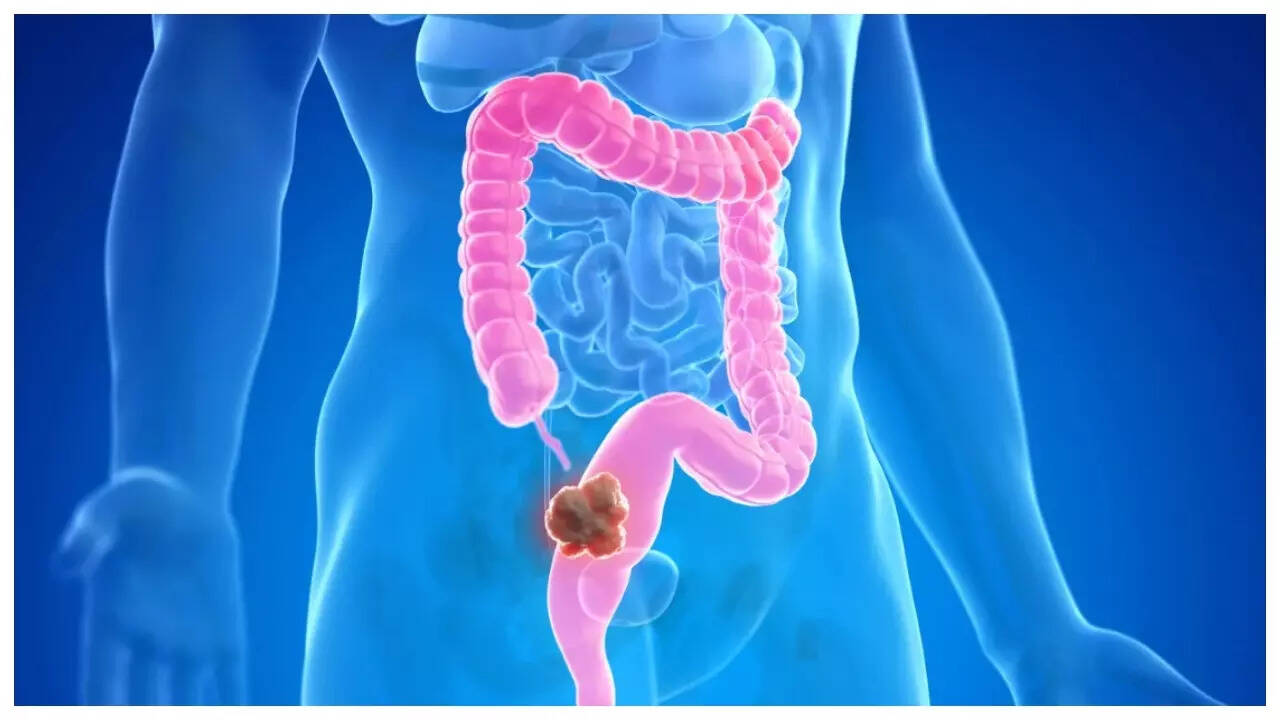
How stage 4 colon cancer affects the bodyStage 4 colon cancer produces four main symptoms which include persistent abdominal pain, bowel habit changes, rectal bleeding and weight reduction/exhaustion, although some patients remain asymptomatic, until their cancer reaches an advanced stage. The development of cancer in different body organs, produces additional symptoms, which depend on the specific organs that become affected. The lungs become involved in cancer spread which results in breathing difficulties, while liver involvement leads to jaundice as a symptom.The survival rate for stage 4 colon cancer patients has improved through time because of enhanced medical treatment approaches, which include chemotherapy, targeted therapy and surgical interventions. The medical condition of stage 4 colon cancer brings patients a poor prognosis. The five-year relative survival rate for metastatic colorectal cancer in large datasets shows a 13 to 16 percent survival rate, which depends on the cancer spread and the available treatment options.Golf, fitness and colon cancer riskOzaki gained fame because of his strong driving ability and his extended playing career which spanned multiple decades of intense physical training. Physical exercise helps people reduce their chances of developing colon cancer, while it enhances their survival rates during cancer diagnosis, but it does not eliminate all risk factors which include aging, inherited conditions and environmental influences.Studies indicate that people who do not move enough and spend extended periods sitting, will develop colon cancer but regular physical activity at moderate to high levels, helps prevent this disease. Research studies with colon cancer patients who survived their disease, have demonstrated that exercise programs which follow a set structure following treatment, help patients decrease their cancer return rate by 28%, while simultaneously decreasing their mortality risk by approximately one-third.

Lifestyle, screening and what others can learnLarge studies link high red and processed meat intake, low fiber diets, smoking, heavy alcohol use, obesity, and sedentary lifestyle with a higher risk of colorectal cancer. A diet that includes fiber from fruits, vegetables and whole grains together with regular exercise and restricted alcohol consumption and tobacco avoidance, will help people reduce their risk factors.Screening tests which include colonoscopy, stool-based tests and sigmoidoscopy, enable doctors to identify both precancerous polyps and early cancers, at stages which allow for successful treatment. Guidelines in many countries now advise starting routine colorectal cancer screening from age 45 to 50 and earlier, in those with strong family history or other risk factors.Disclaimer: This article is informational only and not a substitute for medical advice