Steamed vs. roasted vs. boiled broccoli: What is best for your health |
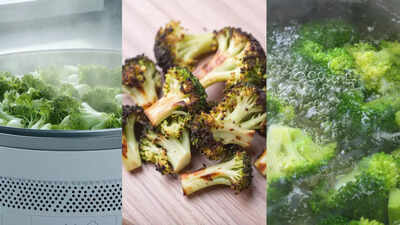
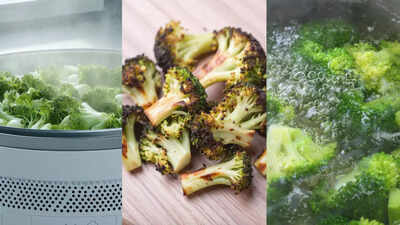
Broccoli has an unprecedented position in today’s diet, found exactly at the point where home cooking and nutritional science meet. Being a very nutritious vegetable that has been prized for quite some time now, it has also become the subject of many studies that investigate how certain cooking procedures can influence health-promoting properties. As more and more individuals become interested in cooked vegetables instead of raw ones, questions about how to cook them have become much more pertinent now. Heat, water, and time can all influence the chemical structure of certain vitamins and plant compounds found in foods, increasing their accessibility and, more often than not, lowering it instead. Steaming, boiling, and roasting remain among the most popular methods used to cook broccoli at home, although none of them can preserve the nutritional properties to an equally great extent.
The health benefits of broccoli and why cooking method matters
The health value of broccoli lies in the integrated and complex action of nutrients and phytochemicals, which interact to boost the immune system, regulate the metabolic process, and protect cells. Cooking increases the ability to digest the nutrients and prevents the bitterness of the vegetable, but it can also cause the loss of some nutrients, especially those that are heat-sensitive and water-soluble. Steaming the vegetable involves the use of moist heat without coming into direct contact with water, boiling submerges the vegetable entirely into water, while roasting involves hot and dry heat, sometimes enhanced by the microwave. These methods of cooking interact differently with the health nutrients in the vegetable, as demonstrated by research findings in the Journal of Zhejiang University SCIENCE B.
Broccoli has the following nutritional contents:
- Vitamin C, related to immune system function, skin integrity, and the role of antioxidants
- Glucosinolates, Sulfur-containing Compounds Possibly Linked to Lower Chronic Diseases Inc
- Precursors of Sulforaphane, produced during digestion, associated with detoxification processes
- Dietary fibre and its role in supporting “gut health” and “glucose control”
- Chlorophyll, which takes part in antioxidant action
- Potassium is vital for the function of nerves as well as the regulation of blood pressure.
- Folate is necessary for cell division and red blood cell production
The degree to which these nutrients are retained after cooking depends mostly on how they are affected by water, temperature, and time.
Steamed broccoli
Steaming involves cooking the vegetables using indirect heat. As a result, the vegetable gets heated and is able to become softened but retains most of its cellular structure. The vegetable is also not immersed in water; hence, the chances of losing nutrients and the effects of heat will be low.
- Retains a very high vitamin C content compared with other modes of preparation
- Protects or maintains glucosinolate levels effectively
- Sulforaphane-producing compounds
- Contains chlorophyll and has a bright green colour because of this property.
- Preserves natural sugars and soluble proteins
- Does not require additional fat, promoting low-calorie consumption
The balance of preserving nutrients and being appetising makes steaming a good choice for daily consumption.
Boiled Broccoli
Boiling the broccoli entails exposure to water for a long period and at extremely high temperatures, which results in the ideal conditions for the removal of nutrients. Although boiled and steamed cooking methods render the vegetables soft, the nutrients may be lacking.
- Substantial loss of vitamin C in the cooking liquid
- Loss of glucosinolates because of water solubility
- Loss of antioxidant function
- Chlorophyll breakdown causing loss of colour
- Fibre content: No significant change, but micronutrient density falls
If the fluid used to cook the food is not ingested, the nutritional advantages of boiled foods would be fewer compared to other methods of preparation.
Roasted broccoli
Roasted broccoli, a frequent use of microwave or oven cooking, utilises strong dry heat. This method of cooking improves the taste of broccoli. However, it also affects the chemical stability of a number of nutrients.
- Ascorbic acid decomposes when it is subjected to heat for an
- There is some loss of glucosinolates
- Natural sugars concentrate, improving flavour
- Adding oil raises the total energy content
- It retains more nutrients than boiling. However, it preserves fewer nutrients than steam boiling.
Microwave roasting method reduces cooking time but does not eliminate the degradation of nutrients due to heat.
Main differences in cooking techniques
| Aspect | Steaming | Boiling | Roasting (microwave) |
| Vitamin C retention | High | Low | Moderate |
| Glucosinolate preservation | High | Low | Moderate |
| Water exposure | Minimal | Extensive | None |
| Heat intensity | Moderate | High | High |
| Colour retention | Excellent | Poor | Good |
| Added fat required | No | No | Usually yes |
| Overall nutrient density | Highest | Lowest | Moderate |
Comparison shows that steaming always has an edge over other methods of cooking in most nutrients.
The benefits of steaming and why you should consider doing it the right way
Steaming is considered superior as it prevents both nutrient leaching as well as heat damage, which are considered to be the primary reasons for nutrient destruction during cooking. Steaming thus retains the vitamins, phytochemicals, and biologically active compounds of vegetables like broccoli, making them not only nutritious but easy to digest as well. Steaming thus complies with health recommendations that require consumption of nutrient-rich foods with minimal processing.When steaming broccoli, follow these steps:
- A steamer basket should be used to hold the florets above the waterline
- Steam for five to seven minutes or until tender and firm
- The lid should always be kept closed to preserve heat
- Do not overheat, which lowers vitamin levels
- Serve soon after cooking to avoid deterioration of nutrients
Thus prepared, the broccoli provides the maximum possible nutrition without any concession.Also Read | How pumpkin seeds could improve your sleep without medication