

Liver Regeneration: Ever heard about the liver’s ability to regenerate? Here’s when healing is possible and when it’s not |

The liver is the powerhouse of the body that detoxifies the blood, metabolises nutrients and performs a number of functions. However, the most fascinating thing about the liver can sound like something from science fiction. The liver can regenerate itself. Yes, you heard it right. However, there are limits to it and the “healing” can only take place up to a certain extent.
How the “healing” of liver works
According to a review in the World Journal of Hepatology, liver regeneration is a highly coordinated biological process that kicks in when a significant portion of the liver is lost. One such example is the surgical removal of a part of the liver.When such a loss happens, the remaining liver tissues trigger a network of signals.
These signals start a three-phase regrowth process:
- Primary phase where cells prepare to multiply
- The second phase called the proliferation phase where cells divide to restore mass
- And lastly the termination phase, where growth halts once the needed size is reached.
When healing is possible
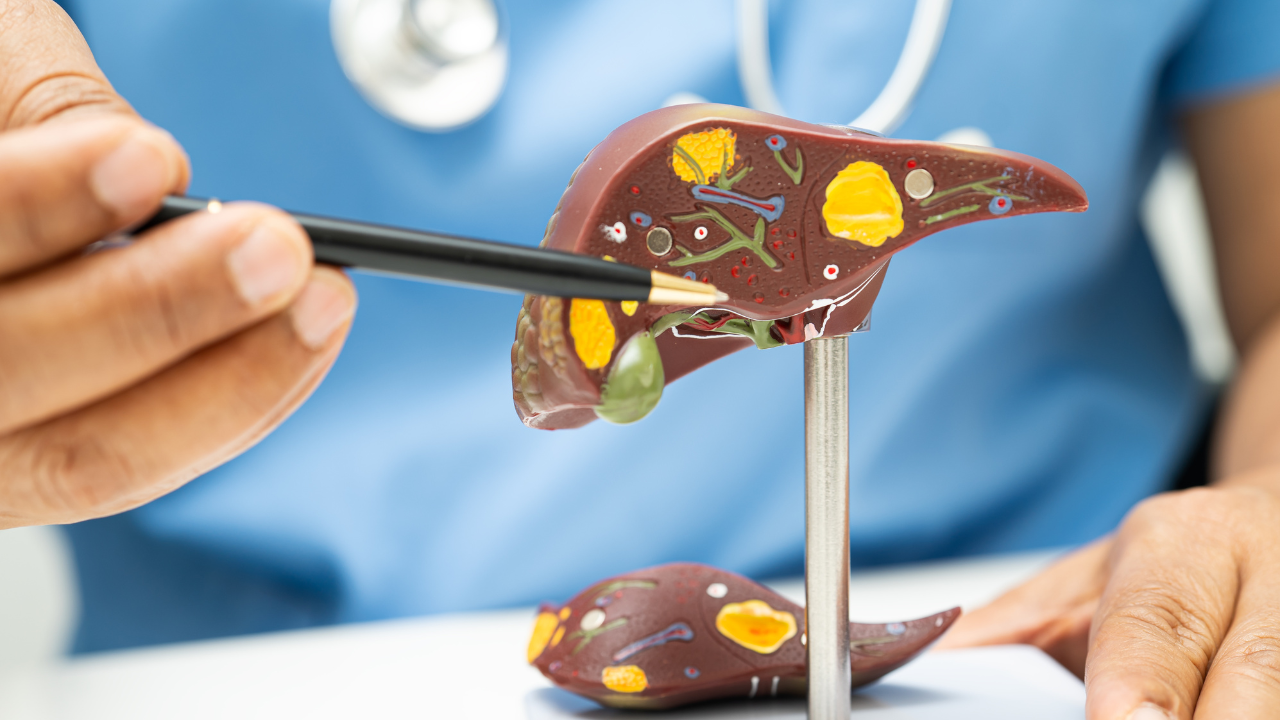
A study published in MDPI translates that the liver can regenerate when the damage is short-term, limited or sometimes when the underlying cause is removed.Some of these conditions are:In case of partial removal or acute injuryThe liver can regenerate efficiently after surgical removal (partial hepatectomy) or a single episode of acute injury, provided the remaining tissue is healthy. In the early stages of fatty liver diseaseA study by PLOS One found that when fatty liver is detected early, before significant scarring sets in, the liver can reduce fat accumulation and partially return toward normal structure and function, especially when contributing factors such as weight gain, insulin resistance, and poor diet are addressed.
When the liver cannot heal or regenerate
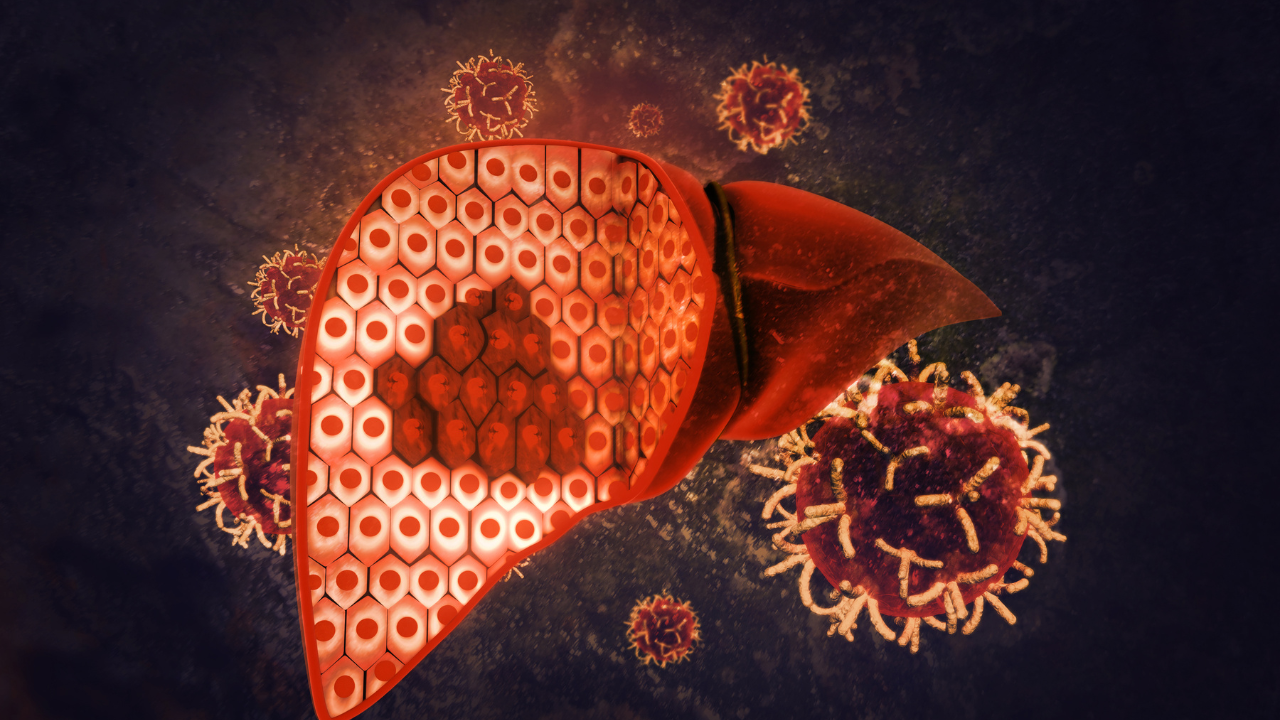
Despite its remarkable regenerative capacity, the liver’s ability to heal has clear limits. When damage is severe, long-standing, or continuous, the regenerative process becomes impaired or may fail altogether. Evidence shows under the following conditions, the liver fails to heal itself:
- Advanced fibrosis and
cirrhosis - Damage from chronic alcohol consumption
- Acute liver failure
- End-stage liver disease
While the liver has an extraordinary ability to heal, timing is critical. Regeneration works best when damage is early, limited, and reversible. Once scarring becomes advanced or injury continues unchecked, the liver’s healing potential declines sharply, underscoring the importance of early diagnosis and intervention.Disclaimer: This article is for informational purposes only and is not a substitute for professional medical advice, diagnosis, or treatment. Liver disease and its progression vary from person to person.