

Ponduru Khadi secures GI tag: Andhra Pradesh’s handspun fabric gains national recognition |
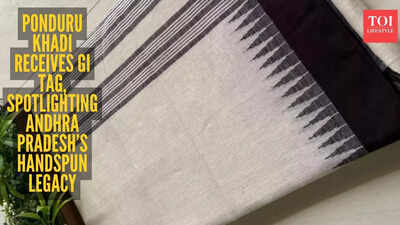
Ponduru Khadi has waited a long time for this moment. Nearly 100 years after Mahatma Gandhi spoke about it with admiration, the handspun fabric from Andhra Pradesh has finally been recognised by the Government of India with a Geographical Indication (GI) tag. For the weavers of Srikakulam district, this isn’t just paperwork. It’s validation.The GI tag, issued by the Union Ministry of Commerce and Industry, officially ties Ponduru Khadi to its place of origin. Ponduru is a quiet town, about 20 kilometres from Srikakulam, where Khadi isn’t a trend or a luxury label. It’s everyday work. Generations have lived off it, even when the world stopped paying attention.Union Civil Aviation Minister K. Rammohan Naidu shared the news on X, clearly proud of the milestone. He had earlier raised the demand for a GI tag in Parliament, pushing for national recognition of the fabric. With the tag now in place, there’s hope that Ponduru Khadi will finally get the demand and respect it has always deserved, both in India and outside.
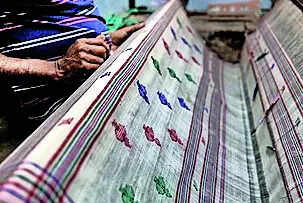
What makes Ponduru Khadi special isn’t just its story, but how it’s made. The cotton is grown locally. It’s cleaned by hand, spun on traditional charkhas, and softened using rice starch before being woven. No shortcuts. No machines doing the heavy lifting. The result is a fabric that feels raw, breathable, and strong. This slow, honest process is exactly what caught Gandhi’s attention a century ago, when Khadi stood for self-reliance and dignity of labour.Getting the GI tag wasn’t quick or easy. In 2020, Finance Minister Nirmala Sitharaman visited Ponduru and met the artisans, many of whom still struggle to make ends meet. During that visit, she assured them the government would work towards securing GI status. Years later, that assurance has finally turned into action.
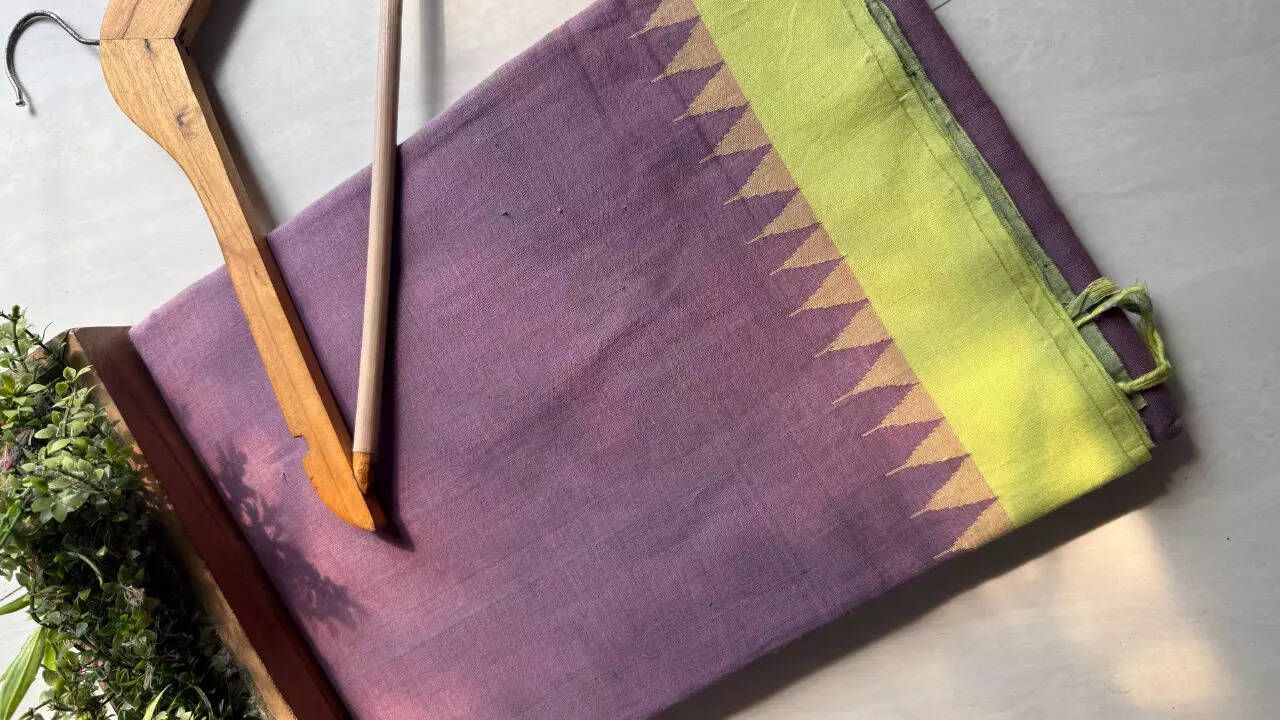
A GI tag does more than add prestige. It protects the craft from imitation and misuse. It tells buyers that this fabric comes from a specific place and a specific tradition. And for the weavers, it can mean fairer prices, better visibility, and a real chance at survival.For a fabric that has endured decades of neglect, this moment feels personal. Ponduru Khadi isn’t just being remembered. It’s being acknowledged. And for the people who have kept it alive, thread by thread, that recognition matters.