

FDA approves ‘Jascayd for progressive pulmonary fibrosis: What it means for patients
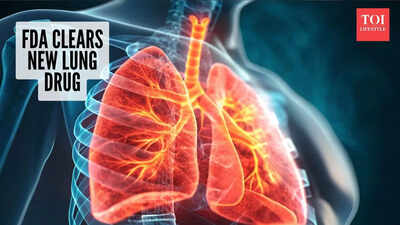
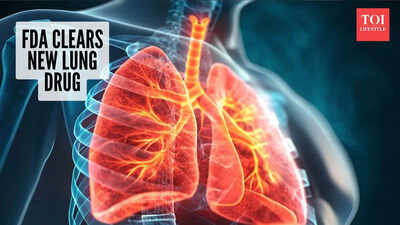
FDA Clears New Lung DrugThe US Food and Drug Administration has approved Jascayd (nerandomilast) tablets for adults with progressive pulmonary fibrosis (PPF). This decision matters because PPF slowly scars the lungs and makes breathing harder over time. Until now, treatment choices were limited. The approval signals a careful move toward slowing lung damage rather than only managing symptoms.
FDA approval: What changed and why it matters
Jascayd was already approved for idiopathic pulmonary fibrosis (IPF). The new approval expands its use to PPF, a broader group of lung diseases that keep getting worse despite standard care. FDA clearance means the drug met strict standards for safety and benefit. It also means doctors now have a science-backed option to help protect lung function in more patients.
Understanding PPF in simple words
PPF is not one single illness. It is a pattern seen across several interstitial lung diseases. The lungs develop permanent scars, which reduce their ability to expand and exchange air. Over months or years, people may feel more breathless, tire easily, and struggle with daily tasks. Once scarring forms, it cannot be reversed, so slowing the damage is crucial.
The study behind the decision
The approval is based on a large clinical trial called FIBRONEER-ILD. It followed 1,178 adults with PPF for at least 52 weeks. Participants received either Jascayd 9 mg, 18 mg, or a placebo twice daily. Lung function was measured using forced vital capacity (FVC), which shows how much air a person can exhale after a deep breath.Results showed a much slower decline in lung function with Jascayd. The 18 mg dose led to an average decline of 72 mL, and the 9 mg dose to 85 mL, compared with 151 mL in the placebo group. Patients on Jascayd also had fewer flare-ups, fewer respiratory hospital stays, and fewer deaths during the study.
Dose, safety, and what patients should know
Jascayd is taken orally twice a day, about 12 hours apart, at either 9 mg or 18 mg. Safety results were similar to earlier studies in IPF patients. Common side effects included diarrhea, nausea, reduced appetite, and weight loss. These effects were generally manageable, but monitoring remains important, especially for people already dealing with weight or nutrition issues.
Why this approval stands out
This decision reflects a shift toward early, targeted treatment in progressive lung scarring. Instead of waiting for severe decline, therapy can now focus on preserving lung capacity for as long as possible. For families and patients, even small changes in breathing ability can mean more independence, fewer hospital visits, and better quality of life.Disclaimer: This article is for informational purposes only. It does not replace medical advice, diagnosis, or treatment. Always consult a qualified healthcare professional before starting or changing any medication.