

Unwrapping the timeless flavours of Christmas

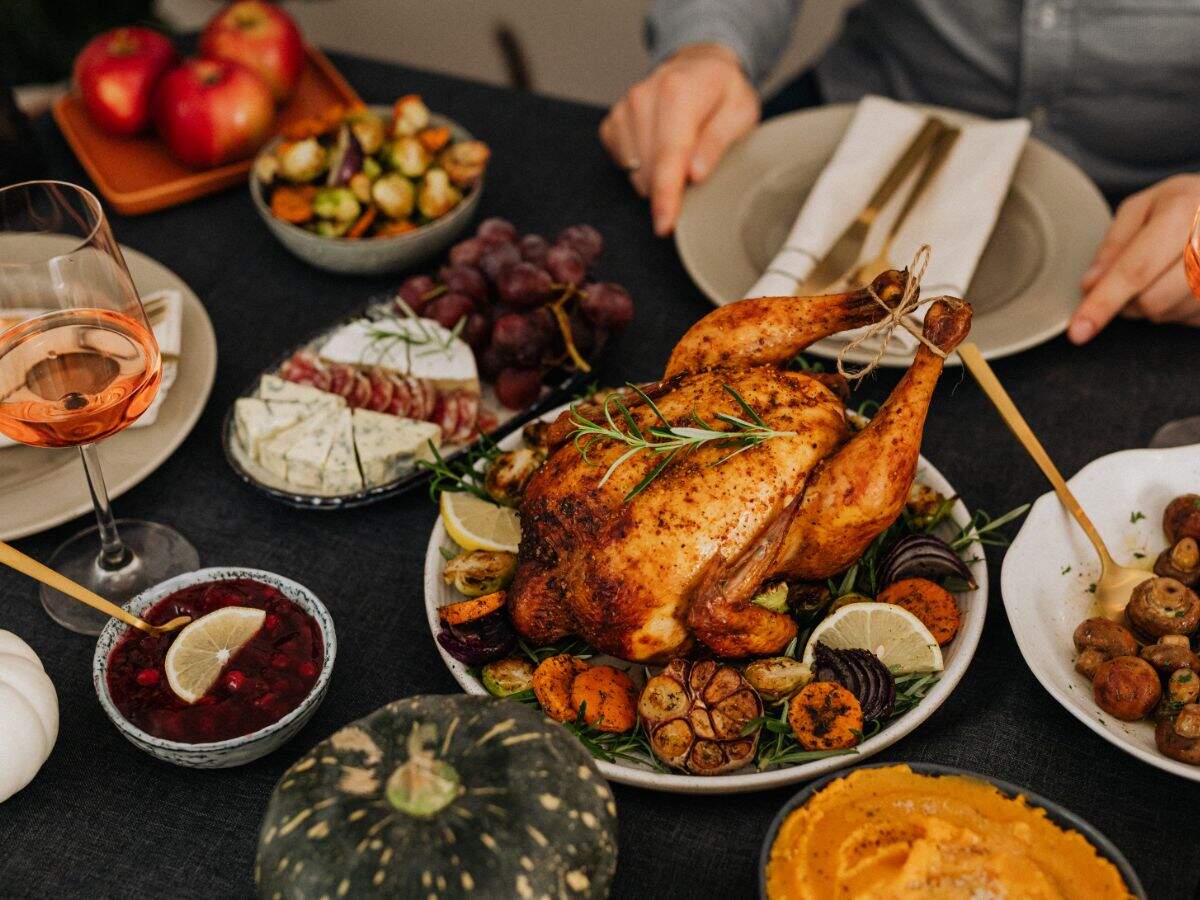

Christmas unfolds as a sensory feast of ancient food traditions, making the season unimaginable without its warm, evocative flavors. Amid swirling snowflakes and the sharp chill that bites at rosy cheeks, families huddle by crackling fires, the air heavy with the scent of spiced mulled wine-a Roman remedy from the 2nd century, simmered with cinnamon, cloves, and citrus to fend off winter’s grip. Plum cakes, rich with rum-soaked fruits and nuts, recall medieval European banquets, their heft a shield against the frost. Gingerbread houses, shaped from spiced dough baked crisp, spark childlike joy, while roasted chestnuts pop in street carts, their earthy sweetness echoing Nordic Yule logs.
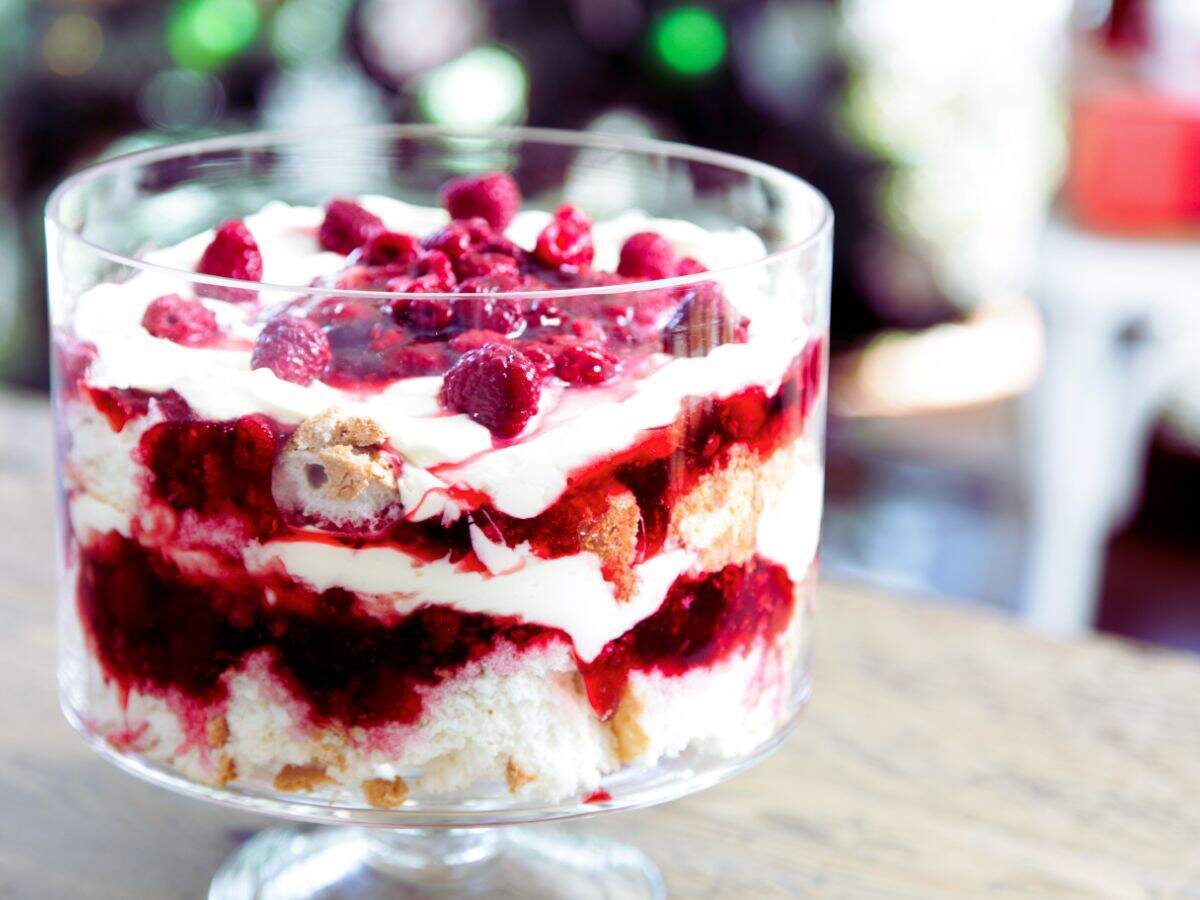
In this newsletter we will explore Christmas dishes that go beyond filling bellies; they hold memories in every morsel. In this frosty embrace, food forges connection—timeless, vital, pulsing with holiday enchantment.
Read more at: 5 Christmas cakes worth baking, other than the traditional rum cake
Who made the first Gingerbread cookie

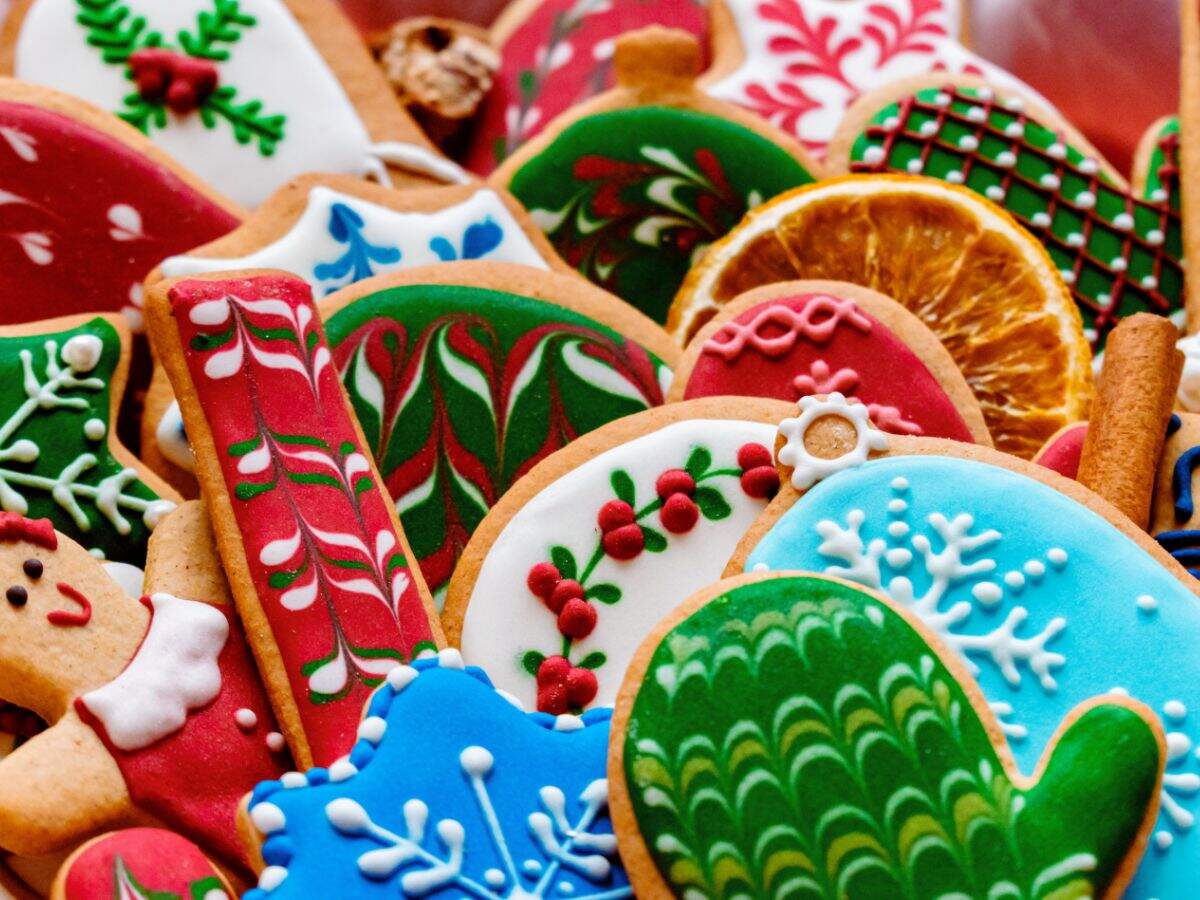
Gingerbread cookies spark Christmas joy with their spicy aroma and whimsical shapes, especially the iconic Gingerbread Man from fairy tales-who outruns cow, horse, and chicken, only to meet his fate with a sly fox. Ancient Egyptians and Greeks crafted early versions for ceremonies using honey, molasses, and ginger, while 11th-century European crusaders imported the spice, fueling aristocratic experiments. The first recipe dates to 2400 BC Greece: breadcrumbs, almonds, sugar, rosewater, and ginger pressed into molds of kings, queens, and animals, gilded with edible gold for medieval fairs. Queen Elizabeth I popularized man-shaped treats for guests, turning preservation into playful holiday magic.
Read full article: This is how Gingerbread Cookies came into being
Mulled wine: Every sip a Christmas story
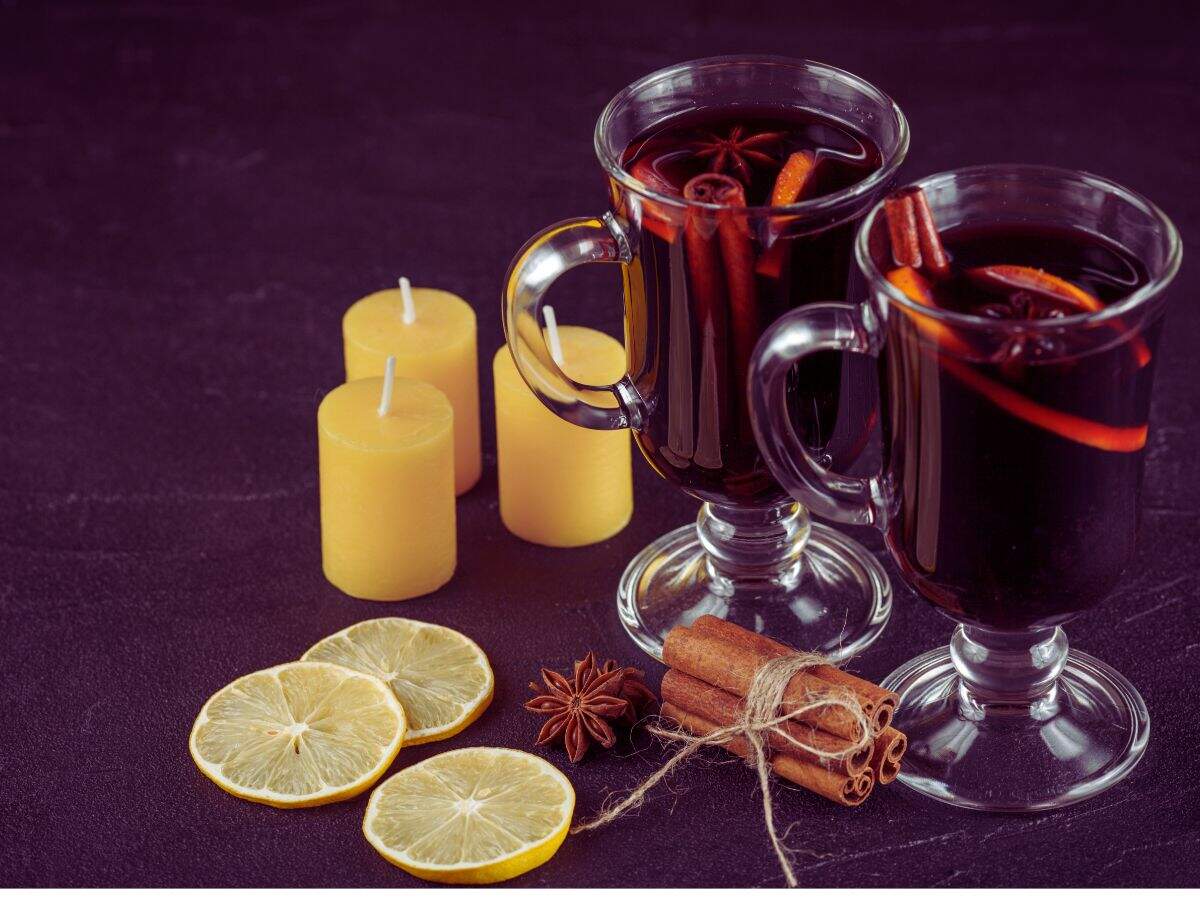
Mulled wine is a warm, spiced red wine that has become a cosy Christmas classic, especially in cold European winters. Traditionally simmered with cinnamon, citrus, sugar and dried fruits, it dates back to the Romans and Greeks, who heated wine with spices to keep warm in harsh weather. By the Middle Ages, it was celebrated as a healthful drink called “ypocras” and spread across Europe, inspiring many local versions. Over time, mulled wine turned into a festive ritual, sipped while decorating trees, singing carols and celebrating with loved ones during the holiday season.
Read full article: The story behind having Mulled Wine on Christmas
Eggnog’s creamy Christmas magic
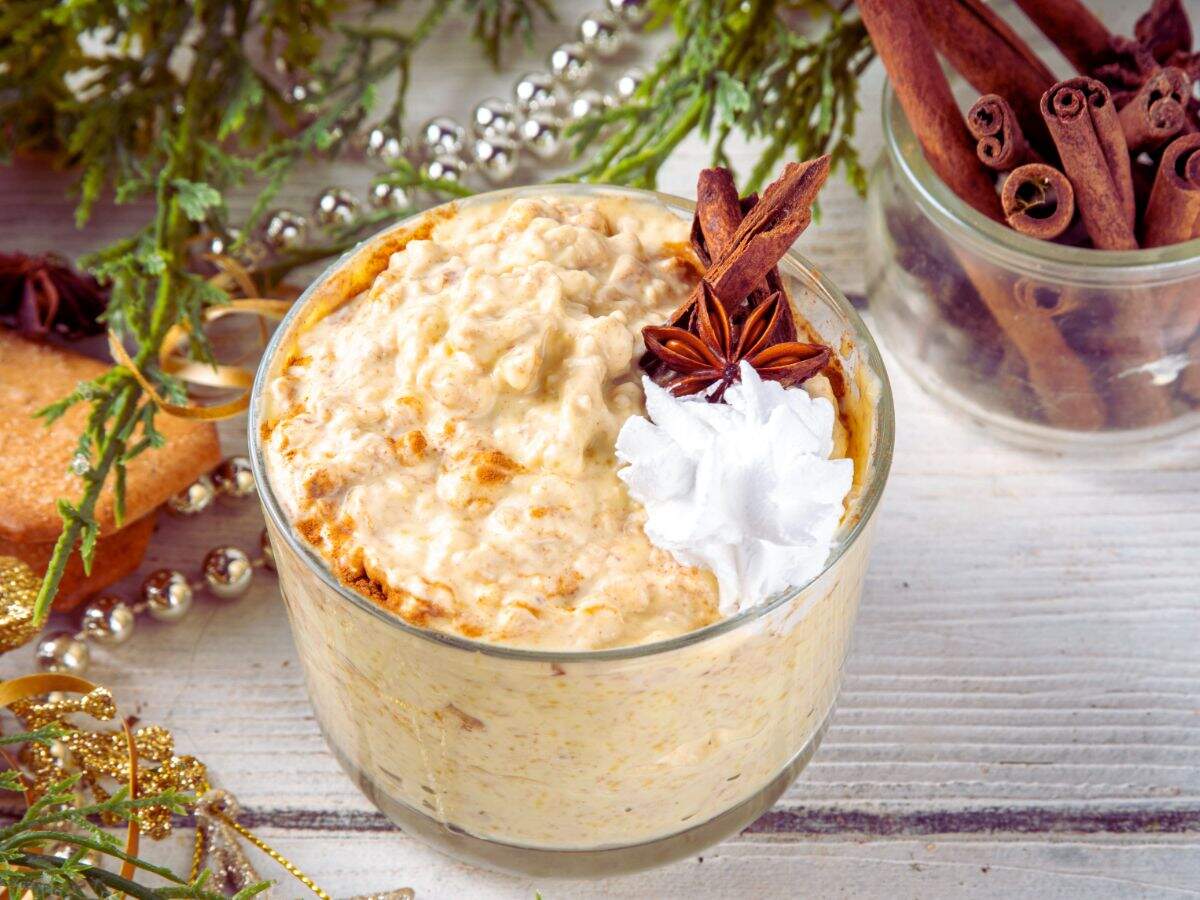
Eggnog transforms Christmas into a creamy embrace of nostalgia and warmth, its frothy allure inseparable from the season’s glow. Born in medieval Britain as a posset for the elite-eggs, milk, and ale spiked with brandy-it crossed oceans to America, evolving into a holiday staple by the 18th century, where families ladle it from punch bowls amid twinkling lights. In biting winter chill, its nutmeg-kissed richness thaws conversations, stirring memories of grandparents’ kitchens and first snowfalls. More than drink, eggnog binds generations, a velvety ritual of indulgence that whispers survival through dark December nights-proof that Christmas thrives on such soul-nourishing traditions.
Read full article: 5 delicious drinks made using eggs
Disclaimer
Views expressed above are the author’s own.
END OF ARTICLE