
Often dismissed as fatigue: Doctor warns of silent heart attack pattern, lists signs to watch out for
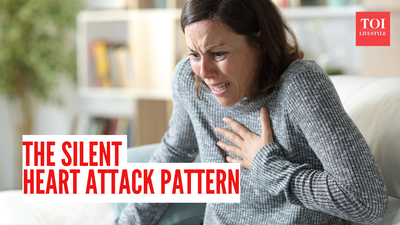
Delhi RML surgeon Dr. Obaidur Rahman, recently shared a medical incident of a 36-year old woman, who suffered a heart attack after ignoring subtle symptoms. In an Instagram post on his Instagram page (@drobaid_rahman), the surgeon drew attention to a life-threatening pattern of heart attack in young women. Dr. Rahman’s account highlights how subtle symptoms, even in younger adults, can lead to major cardiac events.
“The day started with exhaustion…”
According to Dr. Rahman, the young woman’s day began with an overwhelming fatigue, which wasn’t just tiredness. The woman experienced an unusual heaviness in her arms, and exhaustion that felt uncomfortably tiring. Like many people, she also shrugged it off as stress. By mid day, she started feeling nauseated, not severe enough to cause vomiting, but persistent. She was not having any fever or gastric issues. After these symptoms, the woman’s breathing felt shallow and abnormal. She tried to shake off the discomfort by sitting down. Dr. Rahman adds that there was no panic, as many people do not associate these symptoms with a heart attack. Eight hours later she suffered a cardiac arrest.
What the pattern tells
Dr. Rahman explained that this pattern is known as atypical myocardial ischemia. As per Mayo Clinic, atypical myocardial ischemia is a heart attack that doesn’t present with the classic chest pain or pressure. Instead, patients may have shortness of breath, nausea, back/neck pain, fatigue, abdominal discomfort, or just general malaise.Dr. Rahman notes that this heart attack is more common in women and is deadly because it’s quiet. It comes with no dramatic chest pain, and is often mistaken for stress, acidity or sleep.
Warning signs that should not be ignored
- Unusual, persistent fatigue
- Shortness of breath without exertion
- Nausea, indigestion, or upper abdominal discomfort
- Heaviness, discomfort, or pain in arms, shoulders, neck, jaw, or back
- Cold sweats or unexplained sweating
- Dizziness, light-headedness, or fainting
Disclaimer: This article is for informational purposes only and should not be considered professional advice. Consult with a medical professional if you experience unusual or persistent symptoms.