Is comedy still the safest place to state uncomfortable truths?: Danish Sait | Bengaluru News


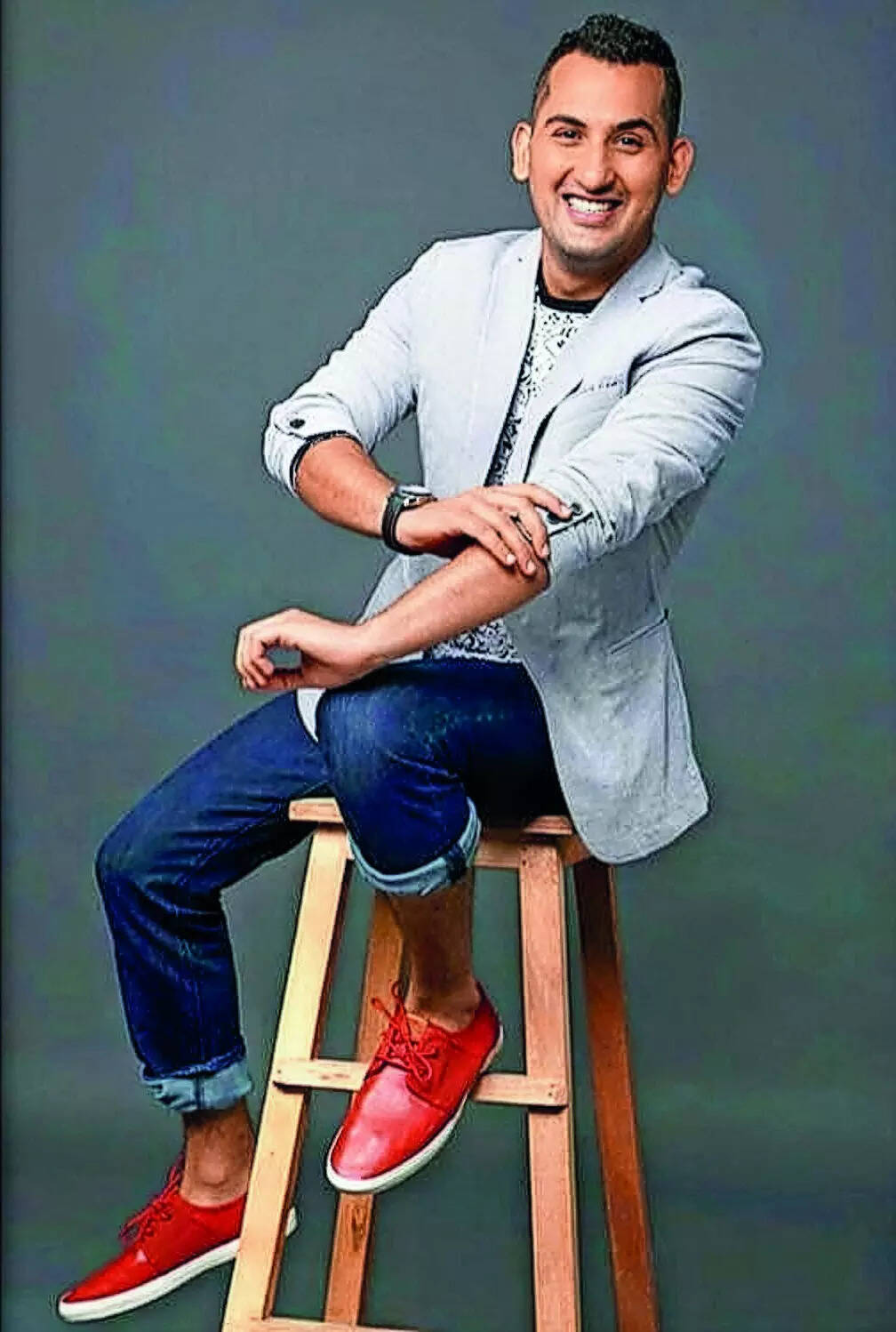
I’m often asked whether comedy is still a safe space to say uncomfortable truths. My answer is usually yes — but with a caveat. It depends on what you define as ‘uncomfortable’ and how honest you’re willing to be about why you’re saying what you’re saying.For me, uncomfortable truths don’t always come from politics or current affairs. They often come from much closer — from human behaviour, from our patterns, insecurities and quiet fears. Comedy works best when you say the thing everyone is already thinking but hasn’t articulated. That moment of recognition is what makes people laugh. Either they laugh at themselves, or they laugh because they know someone exactly like that. That’s the space I’ve always operated from.Through my characters and sketches, I talk to people about things we carry inside us but don’t always admit. Uncomfortable truths haven’t disappeared. There are plenty of them — far more than just the ‘spicy’ topics we tend to focus on. What does change over time is how you say things. When you become a seasoned comic, you know what is provocative, what is loud, what is subtle — and what will evoke a reaction. That understanding comes from years of doing the work and honing your craft.A lot of people assume social media has made comedians more fearful. Honestly, I don’t operate from fear. I operate from weight. Every line I put out is measured; nothing is casually thrown in. Early in my career, someone gave me advice I still follow: when in doubt, leave it out. Even the slightest doubt is reason enough to cut something. That discipline is why today I know exactly why a line exists. That doesn’t mean I say everything everywhere. There are things I’ll say on a live stage that I won’t put on Instagram. A solo show allows for nuance, context and build-up. A live audience has bought a ticket; they’ve chosen to be there, and they’re sharing a private moment with you. Online, the internet is everyone’s playground. It’s as much yours as it is mine, and people will react — positively or negatively — whether you like it or not. When I started out at 23, the comedy scene in India was still forming. Now, at 37, many of us who grew up together in comedy have figured out our strengths. That’s not censorship — that’s ownership of craft.
Offence, of course, is part of comedy. You can’t have a joke without a victim. That’s a basic principle — even an elephant-and-ant joke has one. The real question isn’t whether someone will be offended, but whether you understand who the joke is about and why. There are certain subjects you need to be extra careful with, and maturity teaches you that. When I’ve done sketches rooted in specific communities or cultural nuances, I’ve run them past friends from within those communities — not for permission, but for perspective. Some jokes you either get right, or you’re finished. Cultural humour requires lived experience, sensitivity and responsibility. As a comic today, you’re expected to be good from day one. Audiences are globally exposed now. The same person watching my videos also has access to comedians from around the world, and you’re being viewed in that larger context — and that’s fair. There’s also no longer a single collective experience. People have choices, and they curate their own content worlds.Comedy is still a place where uncomfortable truths can exist — if you know your craft, respect your audience and understand yourself. At the end of the day, we’re all just holding up mirrors. Whether people choose to laugh, reflect or look away… that’s up to them.