From chaos to calm: Airport meditation & pramada

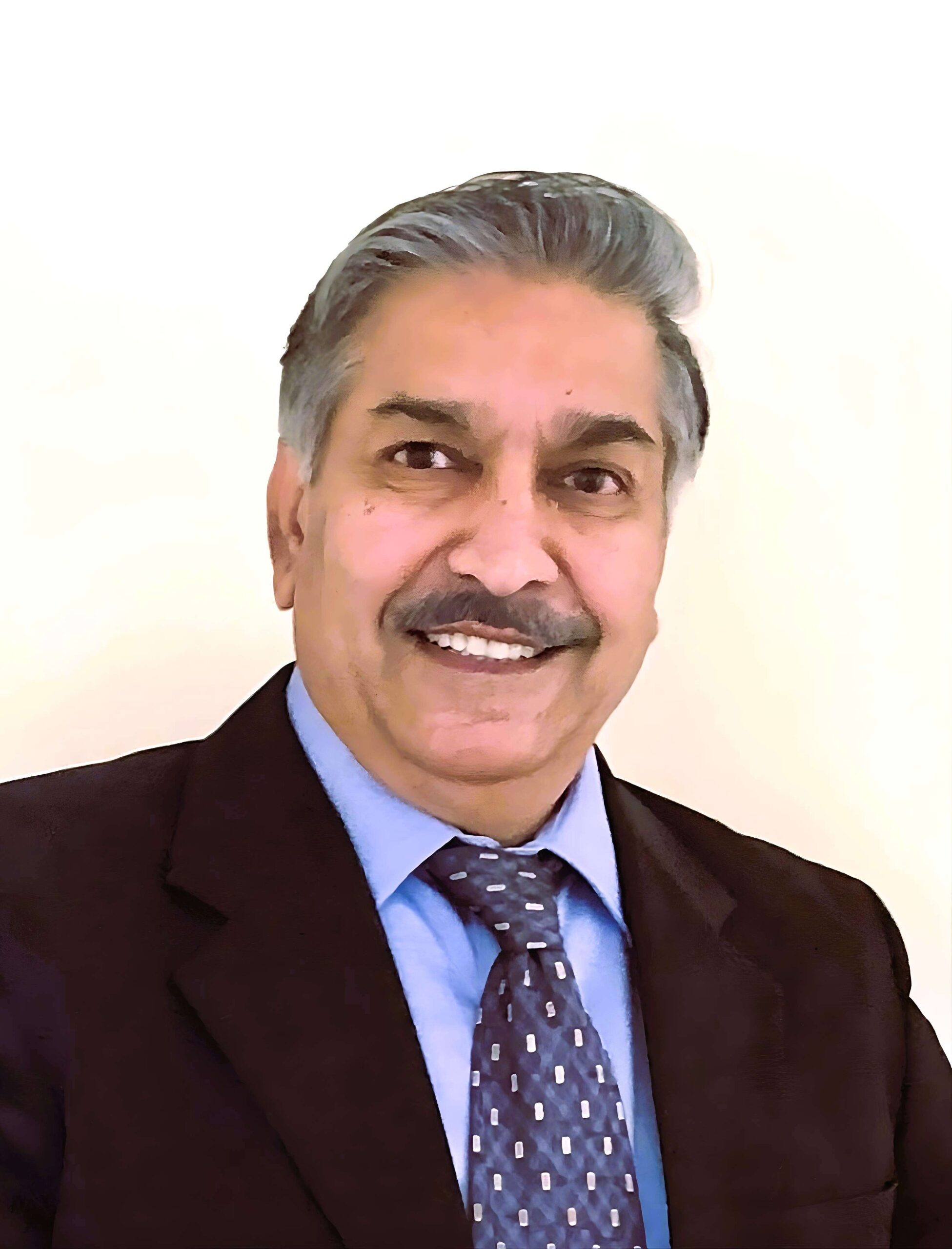
By Muni Pranamya Sagar
The recent operational meltdown in the Indian aviation sector was more than a logistical failure; it was a spiritual opportunity disguised as a crisis. As fog enveloped runways and sleek machinery halted, bustling terminals transformed into unwilling retreat centres. This fiasco was a forced meditation, compelling thousands to stop running, sit on the floor, and wait. It served as a harsh reminder that no matter how fast we wish to fly, we remain subject to the fog, fatigue, and nature’s flow. This singular event invites us to look through distinct spiritual lenses.
For the stranded traveller, the crisis offered a crash course in Anekantavad – Jain doctrine of many-sidedness. Usually, we view a flight solely from our own perspective: my ticket, my destination. But the fog forced us to acknowledge multiple truths: the pilot’s need for safety, the staff’s limitations, and nature’s indifference. We suffer because we demand linear certainty in a non-linear world. We want the future to be exactly like our itinerary. This episode taught us ‘certainty of uncertainty.’ When screens turned red, the only viable spiritual stance was to let go. This is not defeatism, but radical acceptance. To sit on the airport floor and accept that you are going nowhere is to overcome the internal fever of ‘i must.’ The situation demanded that we trade our illusion of control for the peace of acceptance. However, while the passenger learns acceptance, corporations must not use ‘uncertainty’ as an excuse for incompetence. Here, the wisdom of the 10th-century sage Acharya Somadeva Suri acts as a mirror for leadership. He identifies pramada, negligence, as the greatest enemy of any enterprise.
When an airline runs on a razor-thin model with zero buffer for pilots or fog, it practises pramada, prioritising short-term efficiency over long-term stability. Ancient wisdom offers a chilling metaphor for such leadership: “A ruler who ignores the signs of impending trouble is like a man sleeping in a house that is catching fire.”
Winter fog is a certainty, yet the system treated it as a surprise.
The spiritual lesson is that dharm, duty, precedes arth, profit. To accept money from a passenger (subject) without the prepared infrastructure to serve them violates a commercial contract, which is, at its heart, aspiritual trust.
Finally, the crisis turns its gaze to govt. Ancient political thought defines a valid ruler as one who ensures raksha, protection, and yogkshema, welfare, of the people. Governance is not a passive act of watching from the sidelines; it is the active removal of chaos.
When thousands of citizens are left stranded without dignity, it is a failure of oversight. The regulator must not be pramadi, negligent, in enforcing standards. If a corporation is a chariot, the state is a charioteer holding the reins. If the reins are loose, the passengers suffer.
Govt’s spiritual mandate is to ensure that pursuit of profit does not trample the dignity of common man. The recent crisis was a collective Samudra Manthan, a churning of the ocean. Out of this churning came poison of chaos, but also nectar of wisdom. For passengers, the lesson is to let go – finding inner peace when the outer world stops. For the airline, the lesson is to banish pramada – preparedness is the highest ethics. For govt, the lesson is Rajdharm – to stand firm for the welfare of people. The planes will fly again but let us hope they carry a lighter load of ego and a heavier cargo of wisdom.
Disclaimer
Views expressed above are the author’s own.
END OF ARTICLE