

Fossil fuels regain ground: Peak demand pushed to 2030s as oil rebounds; India emerges as growth engine
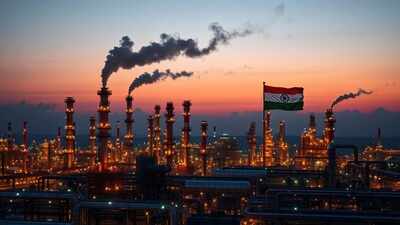
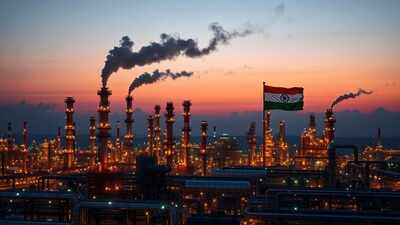
After years of predictions that global oil demand was about to reach its peak due to a rapid move towards renewable energy, 2025 saw a clear reversal of that narrative, with oil and gas regaining importance and India emerging as a key engine of global consumption.Major energy outlooks from BP, McKinsey and the International Energy Agency pushed expectations of peak oil demand into the 2030s, while also revising projected demand for 2050 upwards, according to news agency PTI.Across these forecasts, India was consistently identified as the centre of future growth, with its increase in energy demand expected to exceed that of China and Southeast Asia combined.
Policy delays and geopolitics revive fossil fuels
In 2025, oil regained strength due to a combination of delayed clean-energy policies, limited infrastructure, and geopolitical tensions. European countries, even though they are leaders in clean energy, relied more on fossil fuels because of ongoing supply shortages and high prices during the Russia-Ukraine war. In the United States, President Donald Trump supported fossil fuels, which helped bring oil back to the centre of the global energy mix.
India’s shifting import patterns
India’s oil and gas sector is changing due to global trends, with shifts in how it imports oil, new policies, and increasing demand. The country still relies heavily on crude oil imports, and Russian oil remains a key player despite international pressure.The US has urged India to cut back on Russian oil purchases and has even placed a 50 percent tariff on Indian goods.However, Russian crude oil made up more than one-third of India’s imports for most of the year. It supplied domestic refineries that produce petrol, diesel, and other fuels. Imports from Russia started to decline after sanctions were placed on major exporters Rosneft and Lukoil in late November. According to PTI, average imports dropped from about 1.7 to 1.8 million barrels per day to below 1 million barrels per day. Since Russian oil itself was not sanctioned, it was unlikely that imports would completely stop. Refiners found ways to shift to non-sanctioned Russian suppliers to continue getting discounted crude.
Supply diversification and policy reforms
India has increased its oil imports from various sources to avoid relying too much on one country. It has bought more crude oil from the US, especially after new tariffs were announced. Additionally, trade in liquefied natural gas (LNG) and liquefied petroleum gas (LPG) has grown.The government has introduced new rules for the oil and gas industry, called the Petroleum and Natural Gas Rules, 2025. These rules create a new regulatory framework to make it easier to get licenses and to encourage new investments in exploring and producing oil and gas.
Rising demand and refining expansion
Demand remained strong through the year. India’s oil consumption was projected to grow faster than China’s in 2025, with forecasts showing the country accounting for a large share of global demand growth in the coming decade.India’s refining capacity is growing, which strengthens its role as a global refining centre. However, the production of crude oil and gas is struggling due to old oil fields. To fix this issue, the state-owned company ONGC partnered with the major company BP to help boost production at its key Mumbai High fields. The use of natural gas is also rising due to improvements in pipelines and the expansion of city gas distribution networks. This aligns with government efforts to promote cleaner fuels.
Calm oil prices offer fiscal relief
In 2025, oil prices were surprisingly stable despite ongoing wars, sanctions, and trade issues. Brent crude mostly stayed between $60 and $70 per barrel, dropping to about $59–60 by mid-December, according to PTI.This stability came from higher oil production in countries outside OPEC, like the US, Brazil, Guyana, and Canada. OPEC+ managed their supply well, and demand in China and Europe grew slowly. There was also an increase in floating storage.For big oil importers like India, these steady prices were a relief. Similar to the Covid period, the government raised taxes on petrol and diesel but did not increase retail prices. They used the drop in crude prices to manage the tax hike and boost revenue.As 2025 ends, the oil and gas sector faces a complex outlook. While geopolitical risks and demand growth continue to shape supply dynamics, climate pressures and strategic shifts by global energy companies point to an industry still in transition as it heads into 2026, according to PTI.