Bengaluru thrives through its people and culture, says V Ravichandar | Bengaluru News
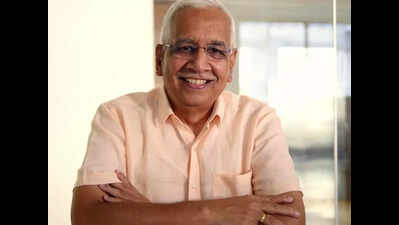
Bengaluru has always been a city of possibili ties. To me, a Bengalurean is inherently curious — welcoming of others and open to new experiences. The city is defined not just by technology and commerce, but by its people: residents and dreamers, creators and communities who engage with it every day. From neighbourhood associations to institutional platforms, from intimate gatherings to citywide festivals, Bengaluru’s vibrancy is sustained by active participation. It thrives on curi osity, inclusivity, and a willingness to explore what might be possible. As Jawaharlal Nehru observed in 1962, Bengaluru has long been “a city of the future”, constantly reimagining itself. When I began engaging more deeply with arts and culture around 2010, public venues for dialogue and creativity were shrinking, even as the city itself was ex panding rapidly. My motivation was simple: to build what I call privately enabled, public-purpose spaces — platforms that allow Bengalureans to experience arts, culture, and dialogue in ways that are inclusive, stimu lating, and sustainable. Public spaces that bring art into neighbourhoods play a crucial role in this ecosystem. Events like the BLR Hubba take culture to where people live: parks, streets, and open spaces. This ap proach breaks down barriers, encourag es participation across age groups. At the same time, spaces like BIC and Sabha allow artists, thinkers, and per formers across dis ciplines to meet, ex change ideas, and experiment. Musicians such as Vasu Dixit, MD Pal lavi, and Bindu Ma lini have shaped con temporary sound scape; Jonas and Maya Mascarenas have contributed to its Western music; theatre has flourished through institutions like Rangashankara and the Bengaluru Lit tle Theatre; dancers in cluding Vijayani Sathati, Madhu Natraj, have left indeli ble marks; and visual artists such as SG Vasudev and Shantamani have deepened community engagement through initiatives like the Art Park. Bookstores on Church Street, poetry spaces, and festivals like those held at Atta Galatta have ensured that literary conversations remain alive and accessible. Bengaluru’s cosmopolitan character further amplifies this cultural richness. Migrants from across India bring their traditions, perspectives, and creativity, blending seamlessly with local practices. Successful cultural spaces honour both — rooted local heritage and diverse influences. Audiences, too, have evolved. A decade ago, most attendees were over 60; today, more than 60 per cent are under 40. Young people arrive early, stay back to ask questions, and actively seek out unfamiliar art forms. Exposure to new art forms fuels curiosity, and what gives me the greatest optimism is seeing Bengalureans turn up in large numbers for arts and culture even on a weekday. Bengaluru is evolving into a city where tradition and inno vation, local heritage and global ideas, coexist to create a distinctive cultural identity. To celebrate this city is, ultimately, to celebrate its people. It is a place where curiosity thrives, com munities come together, and possibilities continue to unfold. Bengaluru reminds us that culture is not only created — it is lived, shared, and celebrated every day.