

Bengaluru shaped how I hear and make music: Ricky Kej | Bengaluru News
Until five or six years ago, our physical surroundings shaped our musical influences. The musicians who lived around us, the concerts we went to within the city, the people who could physically come into the studio. That is how music was shaped. That is no longer the case. Today, influences come largely from the internet. You can be a musician anywhere in the world — even in a small village or somewhere in Central Africa. All you need is a strong internet connection. Your influences can come from anywhere. Earlier, my music was shaped by the musicians immediately available to me — like artistes who could come into my studio or fly in from nearby cities like Mumbai or Chennai. Sometimes, a musician touring India from the United States would drop in for a day. It all depended on who could physically record with me. Today, I do not even remember the last time I had a full-fledged recording session in my studio. Everything is recorded remotely. The world has become my playground.If I want a guitar player now, I am not looking for the best guitarist in Bengaluru. I am looking for the best guitarist in the world whom I can afford. If I want a charango player from Argentina, I can find one, speak to them on Zoom, and have the part recorded remotely. Physical location no longer determines influences or musical preferences, because you are exposed to music from everywhere.
Diversification of music exists everywhere now, but Bengaluru has the ability to house it all. You will find an appreciator for any style of music in some corner of the city. Bengaluru is also deeply experimental
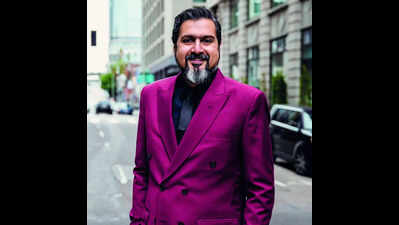
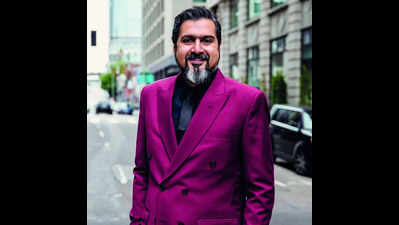
Ricky Kej
That said, Bengaluru occupies a unique position. It is cosmopolitan from an Indian perspective, not a global one. You hear music from across the country. Both Carnatic and Hindustani classical traditions thrive here. Dharwad is close by, and Carnatic music is inherent to the city itself. Many musicians trace their lineage to Karnataka.There is also a large young population, which creates openness towards forms like electronica. Sometimes I go to a pub with friends — even though I do not drink— and I hear music that young people are grooving to that I have never even heard of. It reminds me just how diverse musical tastes have become. Earlier, music discovery happened through television and radio. Everyone listened to largely the same music. Today, social media has compartmentalised listening. Millions of people may be listening to a song you have never heard of, while your own feed makes it feel like what you listen to is what everyone listens to.This diversification of music exists everywhere now, but Bengaluru has the ability to house all of it. You will find an appreciator for any style of music in some corner of the city. Bengaluru is also deeply experimental, but without too much hoo-ha around it. Many people say my music does not belong to a single genre. It is a mishmash of electronica, Indian classical, western classical and jazz. I owe that entirely to Bengaluru. Growing up here, I attended live concerts across genres — jazz, Carnatic, Hindustani, pop, electronica and DJ-led sets. All of them were popular, and all of them had their own space.Bengaluru is a small city in that sense. Everyone eventually collaborates with everyone else. DJs with veena players. Sitar players with choirs. Western classical string sections alongside operatic music. These forms coexisted and constantly collided, and those concerts and collaborations deeply influenced my work. International audiences do not expect Indian music to sound a certain way. They expect it to sound unique. Mimicking western musical identities does not work. What does work is digging deep into our roots, understanding what makes us uniquely Indian, and translating that into music. That is what travels.Experimentation today can be both organic and performative, but it is increasingly organic. Boundaries between genres continue to blur—hip hop and pop, Sufi and Bollywood. As musicians, we are influenced by everything around us, and those influences naturally find their way into our work and collaborations. Every musician wants to push the boundaries of their art and create something that has never existed before. That is why experimentation today feels more natural than ever.