

Delhi Pollution Crisis: ‘No PUC, No Fuel’ measure enforced under GRAP-4 as air quality continues to dip
In a landmark measure, from Thursday (December 18) onwards, “No PUC, No Fuel” regulation will be effected across Delhi. Under this, vehicles without a valid Pollution Under Control (PUC) certificate won’t get petrol, diesel or CNG at any filling stations. Now it is not news that air pollution in Delhi NCR has reached hazardous levels. It is a health emergency situation in the national capital. In a bid to fight the everyday rising pollution, the government of Delhi and the Commission for Air Quality Management (CAQM) have activated the strictest anti-pollution responses under Graded Response Action Plan Stage-IV (Severe+). Under the plan, a set of strict measures have been introduced to curb toxic smog and protect residents of NCR. The latest policy is issued under Section 5 of the Environment (Protection) Act, 1986. It is part of the GRAP-4 action plan and will remain effective as long as Stage-IV remains active. Enforcement of the regulation To make sure people follow the rules, the government has also deployed 580 police personnel along with 37 specialised “Prakhar” enforcement vans at 126 checkpoints across the city. The officials from the transport department are positioned at petrol pumps to make sure PUC checks are done for all vehicles. Automatic Number Plate Recognition (ANPR) cameras, and the VAHAN database will be used to verify compliance. Petrol pump operators have been asked to check for PUCC validity before refuelling.What vehicles are bannedIn a recent move, BS-III and BS-IV vehicles registered outside Delhi are completely banned from entering the capital. Only vehicles meeting the latest BS-VI emission standards, along with CNG and electric vehicles, are allowed. Older vehicles that contribute majorly to air pollution are banned. Vehicles banned include:BS-III petrol vehiclesBS-IV diesel vehiclesNon-BS-VI vehicles entering Delhi from outsideOlder diesel commercial vehicles (BS-IV or below), except those providing essential servicesThis is expected to affect more than 1.2 million non-BS-VI vehicles from neighbouring states including Haryana, Uttar Pradesh, and Rajasthan.Ban on construction material carrying trucksThe trucks carrying construction material are also banned from Delhi roads as heavy vehicles contribute immensely to particulate matter. The trucks carrying sand, gravel, cement, and other such materials are barred from entering. Such vehicles if found will face seizure and heavy penalties. Vehicles which are allowed include:
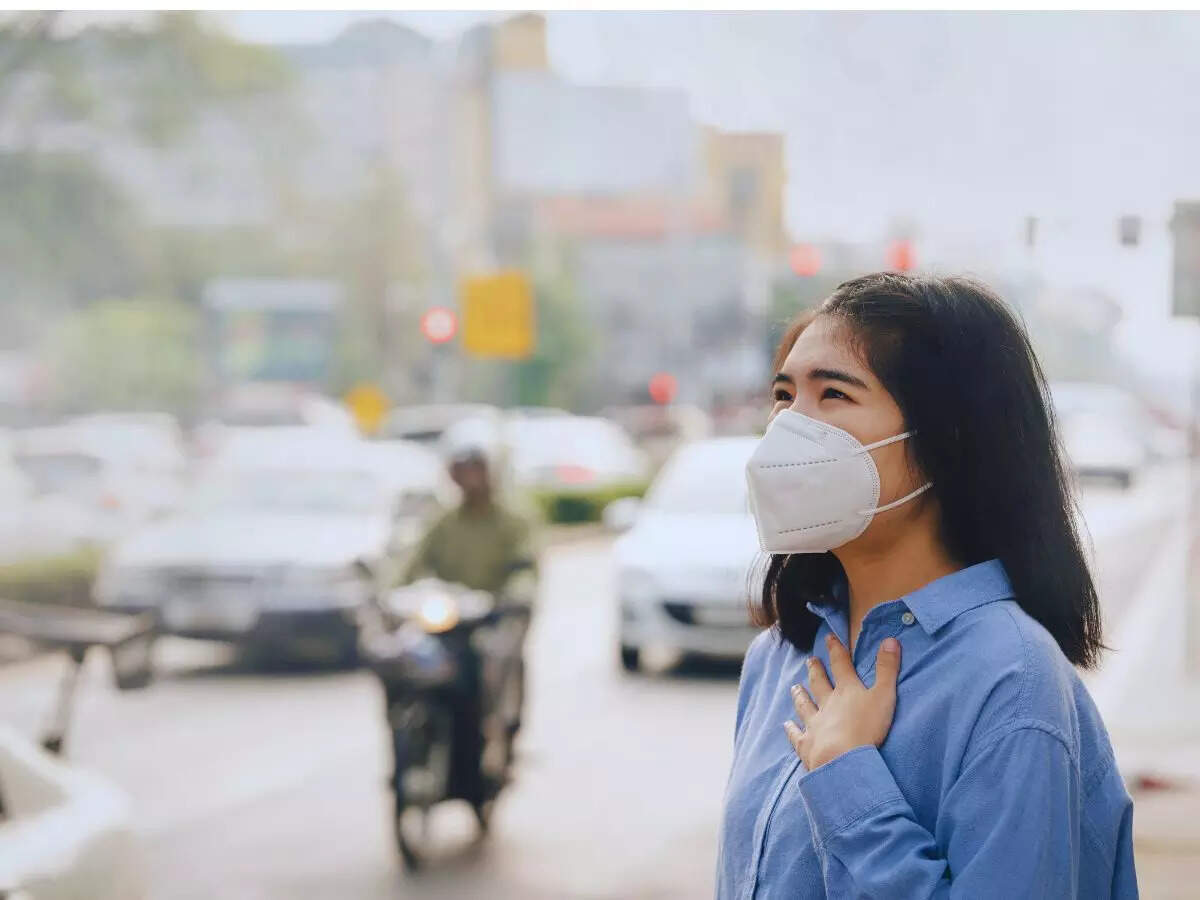
BS-VI compliant petrol and diesel vehiclesElectric vehicles (EVs)CNG and LNG vehiclesEmergency and essential services vehiclesPublic transport vehicles meeting emission normsVehicles with valid registration and Pollution Under Control (PUC) certificatesAs of now, authorities say that while the current measures may disrupt daily commuting and logistics, they are important to combat pollution and to protect vulnerable populations. This includes kids, the elderly, and people with respiratory conditions.