Chinese bodybuilding champion dies of a heart issue at 30; why pushing your body to the extreme can be fatal
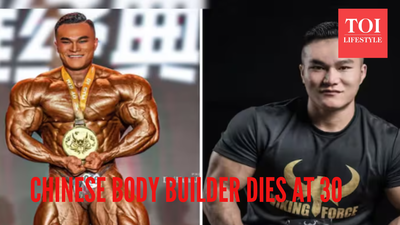
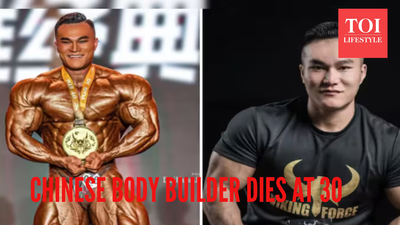
In a shocking incident, Wang Kun, a 30-year-old Chinese bodybuilding champion, has died suddenly from a suspected heart problem. Kun, over the years was known for living ‘a monk’s life’, with extreme discipline, a clean diet and no smoking, or drinking. His story shocks the fitness world and raises questions about hidden heart risks in bodybuilding, even without obvious bad habits. Let’s find out more…A life of disciplineWang Kun dedicated multiple years of his life to build his outstanding physical body, through his selfless efforts. He won eight consecutive national titles with China’s Bodybuilding Association before beginning his professional career in 2022 to compete in IFBB events including 212, Classic Physique and Men’s Open. His diet consisted of basic foods which included hot pot broth, meat cooked in soy sauce and boiled chicken breast, while he avoided all alcoholic drinks, smoking and staying away from late evening activities.
He called his routine a “monk’s life” for a decade, training through holidays like Chinese New Year. As a gym owner, he planned a new branch in Hefei as a “new starting point.” Fans saw him as a role model for clean living, but his death on December 17, 2025, came days after he seemed healthy.What caused his deathThe Anhui Provincial Bodybuilding Association confirmed Wang’s passing as a heart-related event, though details of the same are currently unclear. However, sudden cardiac death are not uncommon amidst athletes like Wang. Possible causes include arrhythmia, enlarged heart muscle or blocked arteries from training strain.
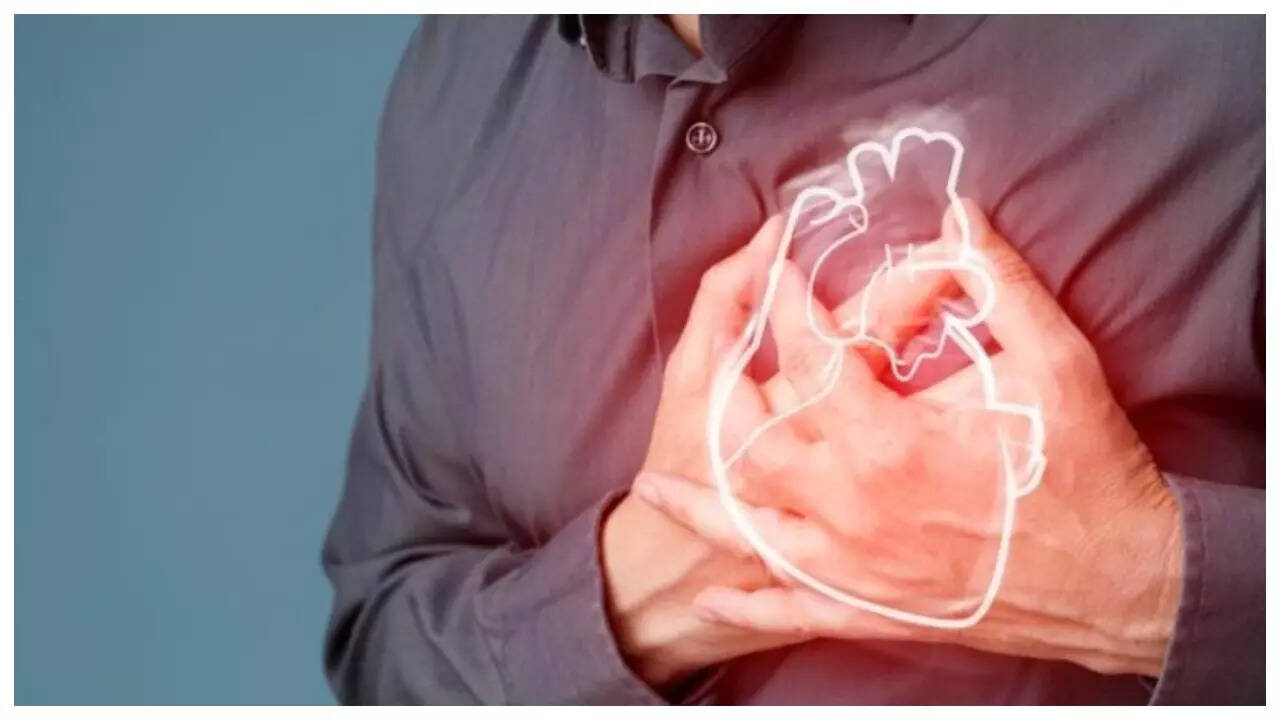
How body building can strain one’s heartHeavy weightlifting and low body fat demand huge oxygen needs, that thicken heart walls over time in a condition called ‘athlete’s heart’, or left ventricular hypertrophy. This makes the heart stiff, raising arrhythmia risks during rest or stress. Studies on male bodybuilders show three times higher early death rates from heart issues compared to general men.Even if one is not using steroids, lifting can raise BP, thus enlarging heart muscles. Since Wang had been training for many years, his heart might be getting damaged silently. Clean diets help, but calorie deficits and dehydration add strain, dropping electrolytes needed for heart rhythm.Risks beyond drugsWang avoided steroids, however seems like that did not help. Extreme volume training over years, causes inflammation and fibrosis in heart tissue, as per autopsy studies on bodybuilders.His monk-like routine meant that he did not indulge in any treats, but likely entered contests with sodium swings and water cuts, stressing kidneys and heart. Genetics play a role too, hidden conditions like hypertrophic cardiomyopathy can be the culprits. Regular EKGs and echoes spot these early, but many athletes skip checks.Lessons from young bodybuilder deathsA European study of 305 bodybuilders found 15% died before 40, mostly cardiac. Clean athletes like Wang prove intensity alone kills-overtraining syndrome weakens immunity and hormones too. Balance matters more than extremes.
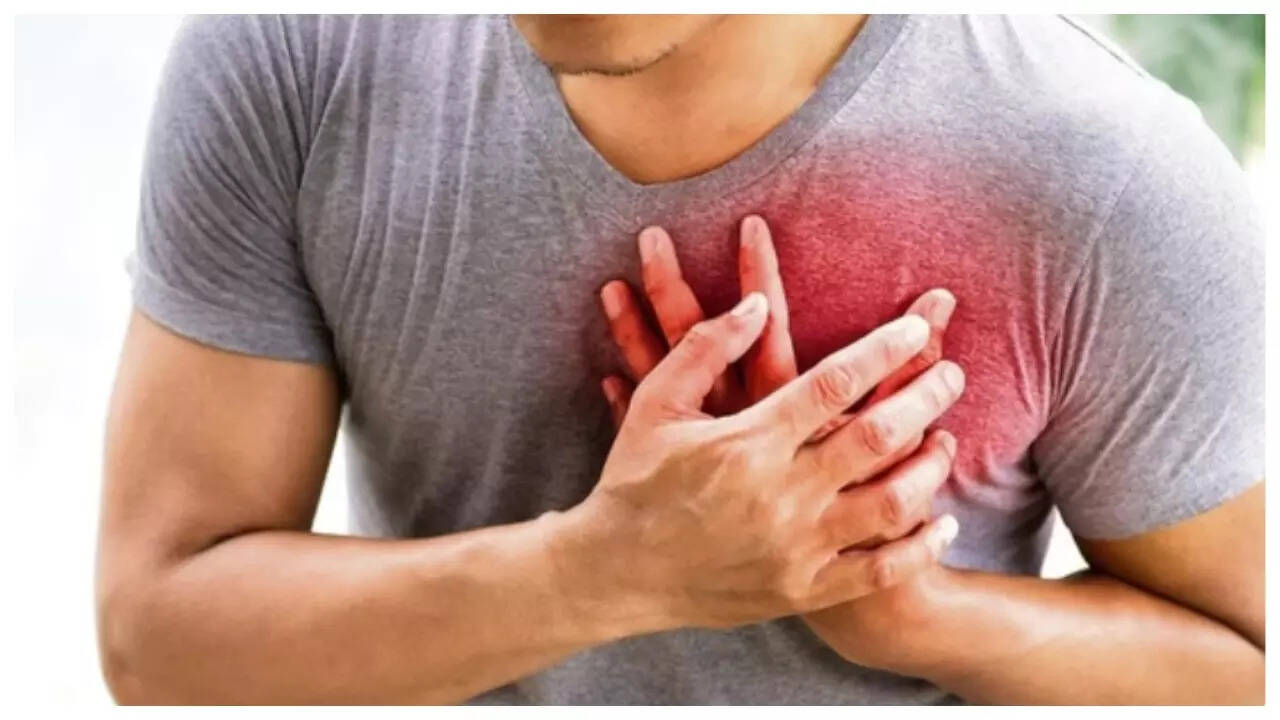
Spotting heart risks in fitness enthusiasts
- Watch for fatigue during workouts, chest tightness, dizziness or irregular beats, as these signal heart overload. Family heart history ups danger; hence it is important to get baseline tests done before heavy training. Blood markers like troponin rise with silent damage.
- Recovery days, varied cardio and 7-9 hours of sleep every day protect the heart. Supplements like omega-3s cut inflammation, but whole foods fuel best.
- Protecting your heart in strength sports
- Regardless of how ‘healthy’ you feel, if you lift a lot or are a bodybuilder, an annual cardiologist visit is a must to get checked out.
- Monitor your blood pressure, as it can increase over time.
- Hydrate fully, eat potassium-rich foods and avoid pushing your body to the extreme.
Disclaimer: This article is informational only and not a substitute for medical advice