Bengaluru man dies en route to hospital after heart attack: Tragic cost of delayed heart attack care |

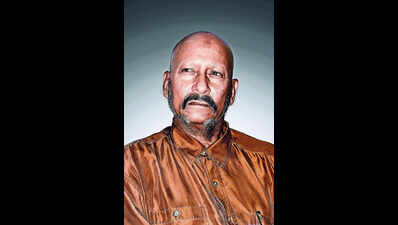
Heart attacks don’t wait. They strike suddenly, without warning, leaving only moments to act. For 34-year-old Venkataraman from Bengaluru, those moments became a heartbreaking reality. His struggle to get timely help exposed not just gaps in emergency medical response but also the human cost of indifference. This story reminds everyone that instant care can mean the difference between life and death.
The silent threat of a heart attack
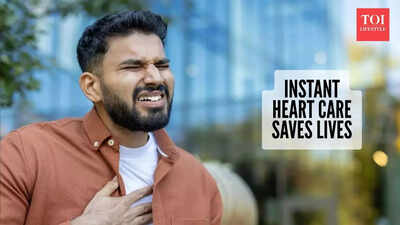
Heart attacks are deceptively sudden. Chest pain, shortness of breath, sweating, and nausea are often early signs, but in the critical first minutes, every second matters. Delays in diagnosis or transport to a hospital equipped for cardiac emergencies dramatically increase the risk of death. Venkataraman’s case tragically illustrates this truth.
When hospitals become obstacles
Even when help is sought, accessibility matters. Reports show that Venkataraman was first taken to a private hospital that couldn’t attend to him immediately and then referred to another facility. The lack of on-site emergency care and unavailability of an ambulance compounded the risk. This highlights a critical issue: in heart emergencies, the nearest hospital is not always enough, it must be equipped and ready.
The human factor: Compassion in crisis
The response of bystanders can be just as crucial as medical intervention. Venkataraman’s wife pleaded for help as he collapsed on the road, yet many passed by. This tragic indifference underscores the importance of community awareness, knowing how to respond to emergencies, perform CPR, or call for help can literally save lives.
Timely intervention saves lives
Medical research consistently shows that rapid treatment, especially within the first hour (the “golden hour”), greatly improves survival rates in heart attack patients. Immediate CPR, access to defibrillators, and fast hospital transport can prevent permanent heart damage, or even death. Venkataraman’s story is a grim reminder of why speed in cardiac care is not optional, it’s essential.While Venkataraman’s loss is irreparable, his story carries vital lessons:Emergency readiness matters; know your nearest equipped hospital and keep emergency contacts ready.Learn basic CPR and first aid; it can bridge the gap until professional help arrives.Cultivate compassion in daily life. Every act of aid, even flagging down a vehicle, can save a life.Disclaimer: This article is intended for educational purposes only. It does not replace professional medical advice. In case of a suspected heart attack, seek immediate medical attention by calling emergency services.