

Why adding chillies to meals can improve warmth, digestion and metabolism in winter |


Winter changes the body in quiet ways. You sit more. You walk less. You feel heavier, slower, colder. Even people who normally eat well notice that digestion feels lazier and energy dips once the temperature drops. Across cultures, there is one small habit that keeps repeating when winter arrives. Food gets spicier. Chillies show up in soups, curries, stews and even warm drinks. This is not accidental. Long before nutrition science existed, people figured out that chilli heat made cold days easier to handle. Modern research is now catching up with what tradition already knew.Scientists have studied capsaicin, the compound that gives chillies their heat, for years. A peer-reviewed review published in Nutrients examined how capsaicin affects thermogenesis and metabolism in humans. The researchers explained that capsaicin activates heat-producing pathways in the body, slightly increasing energy expenditure and creating a warming effect from within. The study also discussed its role in fat metabolism and metabolic regulation.
How chillies boost metabolism during winter
When you eat something spicy, your body reacts almost instantly. Capsaicin triggers receptors linked to temperature and energy regulation. The brain reads this as heat and responds by using a little more energy to balance things out.In winter, this matters more than people realise. Cold weather naturally slows metabolism because movement drops and muscles stay less active. Chillies do not dramatically speed things up, but they stop metabolism from slipping too low. Over weeks and months, that small push can help the body stay more responsive.
Why spicy food makes you feel warmer
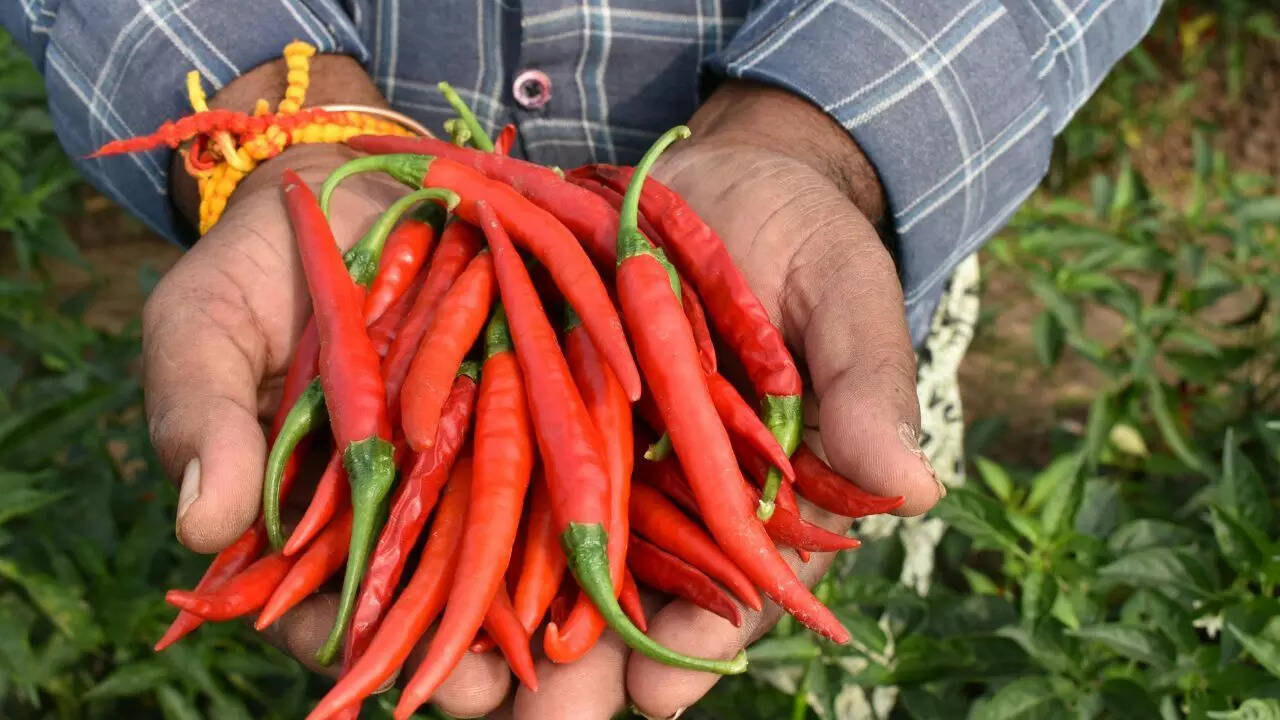
Anyone who has eaten a spicy meal on a cold night knows the feeling. Warmth spreads through the chest. Fingers feel less stiff. The body relaxes. This is not imagination.Chillies increase blood flow near the skin and stimulate nerve endings that create a sensation of heat. In winter, when blood vessels tighten to conserve warmth, this stimulation can make the body feel more comfortable and less tense.
Chillies and winter weight gain
Winter food is often richer. More grains, heavier sauces, slower cooking. Some research suggests capsaicin helps the body use fat for energy more efficiently. This does not mean chillies cause weight loss, but they may reduce how easily excess energy is stored.Spicy food also tends to increase satisfaction. Meals feel complete faster, which can help curb constant snacking during colder months.
Digestion works better with a little heat

Cold weather can dull digestion. Some people lose their appetite, while others crave constant comfort food. Chillies stimulate saliva and digestive juices, which help food break down more smoothly.Spicy meals also slow down eating. When there is heat on the tongue, people naturally pause between bites. That small change can improve digestion and prevent overeating without conscious effort.
Easy ways to add chillies to winter meals
You do not need extremely spicy food to get the benefits. A small amount is enough. A chopped green chilli in dal, chilli flakes in roasted vegetables, or a spoon of chilli paste in soup all work well.Traditional winter combinations exist for a reason. Chillies with ginger, garlic, lentils or slow-cooked meats support warmth and digestion together. These pairings have been tested by generations, not trends.
When chillies may not suit you
Chillies are not for everyone. People with acid reflux, sensitive stomachs or gut issues may find spicy food uncomfortable. In those cases, milder chillies or very small quantities are safer.The goal is warmth and comfort, not irritation. Your body’s response matters more than any guideline.Chillies are simple, affordable and already part of many kitchens. In winter, they do more than add flavour. They warm the body, gently support metabolism and make meals feel satisfying when the weather is harsh.Sometimes the smartest seasonal habits are the oldest ones. Adding a little heat in winter is one of them.Disclaimer: This content is intended purely for informational use and is not a substitute for professional medical, nutritional or scientific advice. Always seek support from certified professionals for personalised recommendations.Also read| Can chewing curry leaves daily help control blood sugar levels naturally: Benefits, risks and facts


