

Tulsi for diabetes: How holy basil supports blood sugar control, improves insulin sensitivity, reduces stress, and boosts overall health |
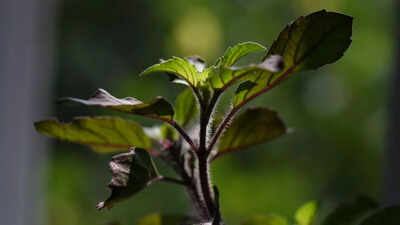

Within Ayurvedic medicine, tulsi or holy basil is a respectfully regarded herb for the depth of health benefits it provokes. In the case of diabetic patients, tulsi extends amazingly useful support to regulate blood sugar levels and increase insulin sensitivity, among fighting off oxidative stress. Antioxidant and anti-inflammatory in nature, tulsi helps with overall metabolic health and protects one against some of the most common complications that come with diabetes. But more than the spectrum of physical benefits, tulsi supports one’s mental wellbeing and helps maintain stress levels-a factor that influences blood sugar management at large. Consuming tulsi through its fresh leaves, in tea, or supplement form can help conventional means of management by allowing one to further sustain holistic health for diabetic individuals.
Nutritional value of Tulsi leaves
Some of the other main ingredients in tulsi include vitamins A and C, calcium, iron, and zinc. Antioxidant compounds like eugenol and rosmarinic acid are present, which neutralise free radicals and dampen oxidative damage to support cellular health. This herb, if consumed regularly, could help improve immunity, increase metabolism rates, and regulate blood sugar levels naturally.Bioactive phytoconstituents like oleanolic acid, ursolic acid, and eugenol are present in the leaves of tulsi. These phytoconstituents have been reported to reduce the blood glucose level, enhance pancreatic beta-cell activity, and improve insulin secretion. Anti-inflammatory and antioxidant effects of tulsi further protect against the common complications of diabetes, including cardiovascular disease, neuropathy, and kidney damage.
Tulsi leaves benefits for diabetic patients
- Regulation of blood sugar
It helps regulate the blood sugar level of both the fasting and post-meal levels. Its bioactive compounds increase insulin secretion, enhancing glucose uptake by cells, preventing sudden peaks and troughs in the blood sugar level.
- Improved insulin sensitivity
Tulsi enhances insulin sensitivity, improving the cellular response while reducing stress on the pancreas and offering protection against a common challenge in type 2 diabetes known as insulin resistance.
- Stress reduction and mental health
Tulsi is an adaptogen and helps lower the level of cortisol, hence lessen anxiety and up the mood. This, in turn, manages stress, hence indirectly helping in keeping better blood sugar control and overall emotional health.
How to incorporate tulsi in day-to-day life
- Chew 2–3 fresh leaves in the morning on an empty stomach.
- Make tulsi tea or add leaves to your smoothies and juices.
- Adding it to soups, salads, and chutneys
Quick Tip: Consider tulsi supplements with a consultation from your healthcare provider.
Tulsi leaves: Tips and precautions in lifestyle
It should also be coupled with good sleep, routine exercise, eating awareness, and social support. Individuals on medication need to consult with their physician before using tulsi supplements since interaction may occur. Organic produce would be the best so exposure to pesticides can be minimized. Tulsi is a herbal means of balancing diabetic conditions. Integration into daily routines, along with positive lifestyle habits, will help in improving one’s blood sugar regulation, enhancing insulin sensitivity, and reducing stress.At the same time, as much as tulsi is beneficial, it is not medical; one should, therefore, not stop treatment but continue seeking advice from professionals for the care of diabetes.Disclaimer: The information provided in this article is for educational and informational purposes only and is not intended as medical advice. Tulsi (holy basil) may offer health benefits, but it should not be considered a substitute for professional medical treatment or prescribed medications.