
Muscle memory: How the brain and muscles adapt over time


Muscle memory is one of those phrases everyone uses, but the science behind it is a lot more interesting than “your muscles remember”. It is a story about your brain, your nervous system and your muscle cells quietly adapting every time you repeat a movement.
What muscle memory really means
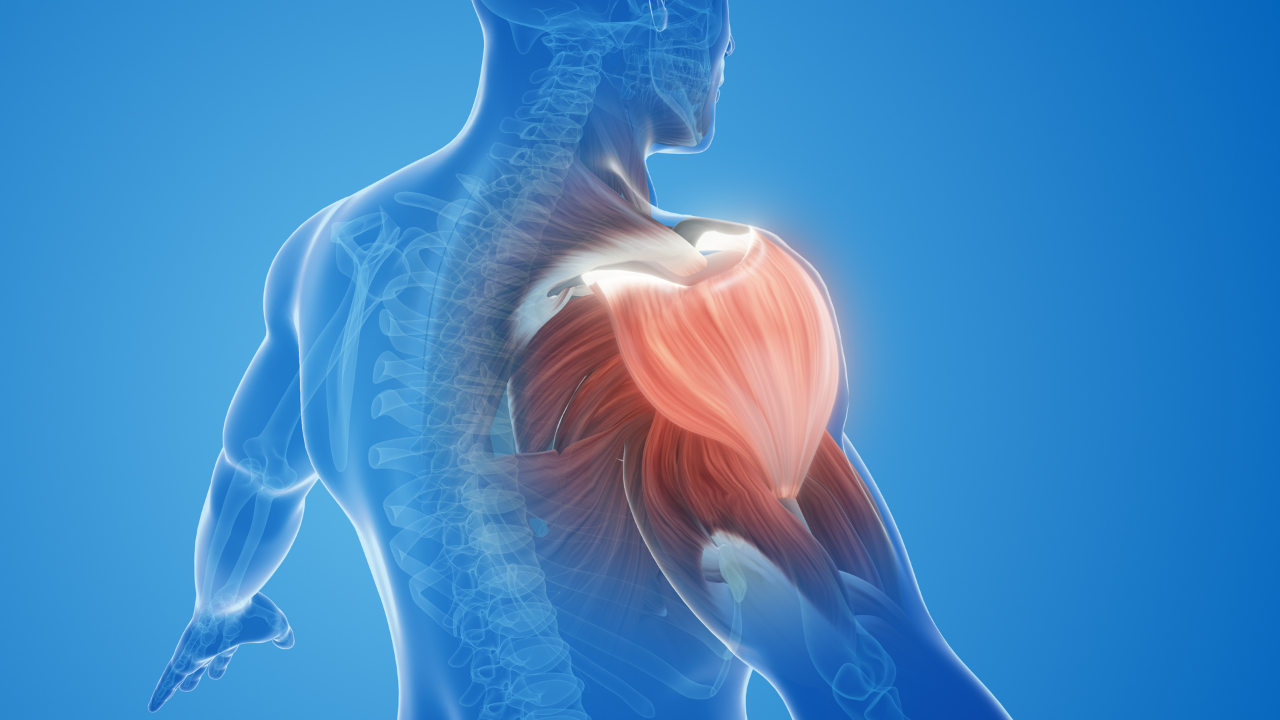
In scientific terms, muscle memory is a type of procedural or motor memory. It is what allows you to perform a movement with little conscious effort after enough repetition-whether that is typing, playing guitar or doing squats. Over time, your brain and spinal cord get better at sending the right signals in the right order, so the movement feels smoother and more automatic.There is also a more “bodybuilding” version of the term. Here, muscle memory describes how previously trained muscles can regain size–and strength faster after a break than they took to build the first time. This is linked to durable structural changes inside the muscle fibers that do not fully disappear even when the muscle shrinks.
Brain side of muscle memory

Early on, when you learn a new skill, you need to think hard about every step. Brain regions for planning and conscious control are very active–and movements are usually slow and clumsy. With practice, the connections between neurons involved in that skill strengthen, a property known as synaptic plasticity.As those neural pathways get more efficient, the task moves from “conscious” to “automatic”. Activity shifts more toward areas such as the cerebellum and basal ganglia, which specialize in fine tuning and automating movements. That is why you can cycle, drive or perform a lifting technique again even after years away, usually with just a short “rusty” phase before it clicks back in.
Muscle side: myonuclei and regaining size
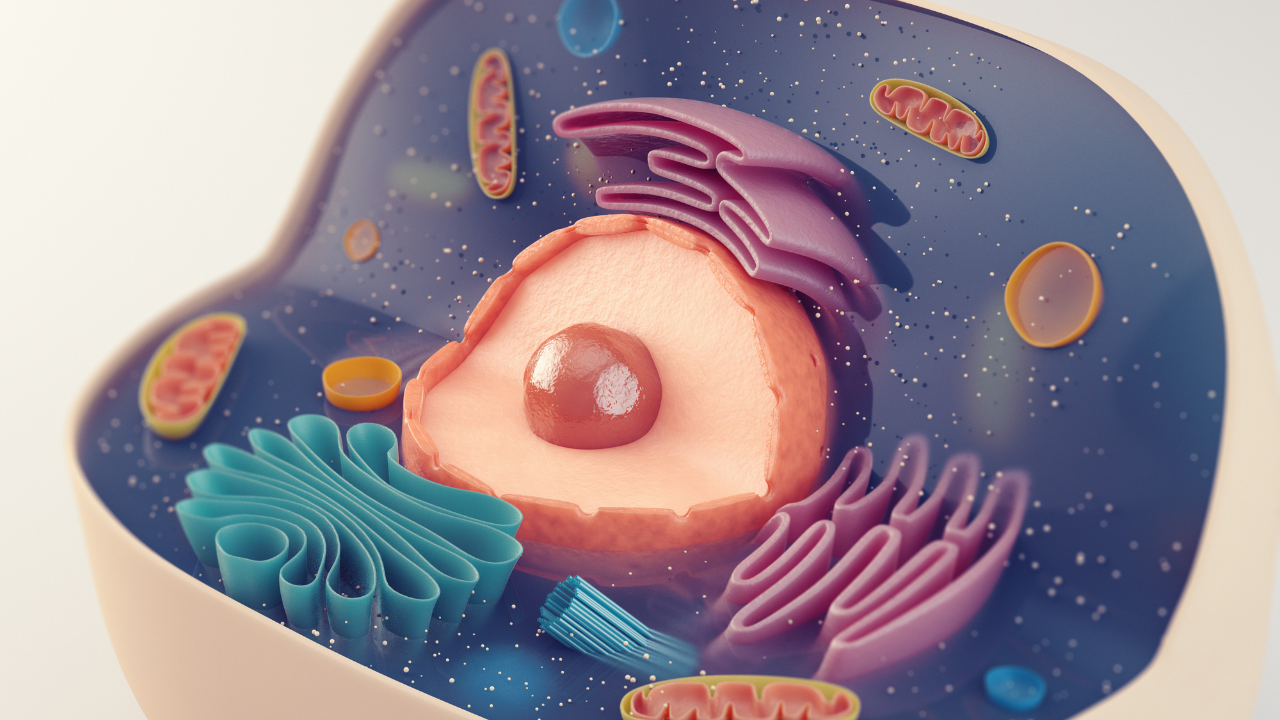
Skeletal muscle fibers are unusual cells because each one has many nuclei, called myonuclei, which help manage protein production and growth. When you do resistance training, you add more myonuclei to the trained fibers, supporting increases in muscle size and strength.Evidence from human and animal studies suggests these extra myonuclei can stick around even when you stop training-and the muscle shrinks, a phenomenon sometimes called skeletal muscle memory. When you return to training, those existing myonuclei help you rebuild muscle faster than someone starting from scratch.
Two kinds of “remembering”
The everyday phrase “muscle memory” actually covers two related but distinct processes:Skill memory: Your nervous system learns the coordination pattern so the movement becomes smooth and automatic, like a choreography your neurons know by heart.Hypertrophy memory: Your muscle fibers keep structural changes, especially added myonuclei, that make it easier to regain lost size and strength.In real life, these often blend. A tennis player coming back after time off benefits both from preserved technical patterns in the brain and from muscles that can “bounce back” faster.
How to build muscle memory wisely
For everyday exercisers, this science has some practical implications. First, quality of practice matters: repeating a movement with poor form can also become automatic, which is why coaching and mindful reps are so important early on. Second, consistency beats intensity for building stable neural pathways, so regular, moderately challenging practice usually beats rare “all out” sessions.Finally, if life forces you to take a break, it is not all lost. Prior training leaves both neural— and muscular traces that make coming back easier than starting over. Understanding this can ease the guilt many people feel after time off and encourage a more compassionate, long—term view of training.