

Exclusive | ‘Four-Day Tests need better over rates’: Tom Moody | Cricket News
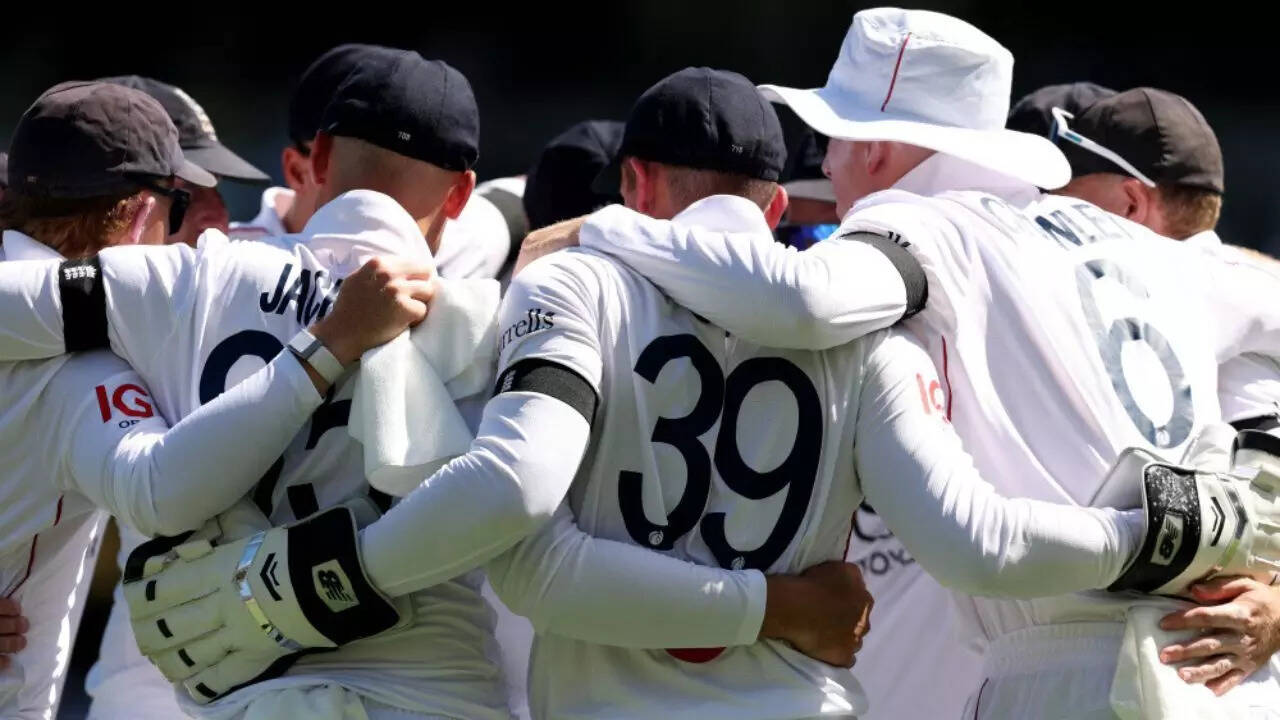
England’s players stand together during day two of the second Ashes cricket Test match between Australia and England at The Gabba in Brisbane
With years of coaching experience, Tom Moody has seen cricket evolve at every level. As Director of Cricket at the Desert Vipers the former Australian all-rounder has been closely involved in the rise of the ILT20 — a league that, in his view, is already delivering on its most important promise: developing local talent.In a wide-ranging conversation with TimesofIndia.com, Moody spoke candidly about what truly separates successful leagues, why auctions are more about discipline than star power, and how coaching must continually adapt to changing generations of players.
He also addressed cricket’s ever-crowding calendar, the explosion of franchise tournaments, and the growing concern around the future of Test cricket. From advocating quality control in global leagues to protecting the game’s purest format, Moody offers a clear-eyed perspective on where cricket in general is headed — and what must be preserved along the way.Go Beyond The Boundary with our YouTube channel. SUBSCRIBE NOW!Excerpts:
The cricket calendar is jam-packed. Where does the game go from here?
Well, what we know for sure is the window is not going to get any bigger. It is what it is. It’s 12 months a year. And that’s the reality. I think the ICC obviously has a tough job on its hands because it appears that most cricketing boards want to have their own franchise tournament. And then we have these other tournaments cropping up like your T10s of the world. So at the end of the day, I think what’s really important from the ICC’s perspective is just being very, very careful regarding who has the right to host these franchise tournaments. Quality control is important, not only from a playing perspective, but from an ownership perspective and everything else, because that has a bearing on the game.
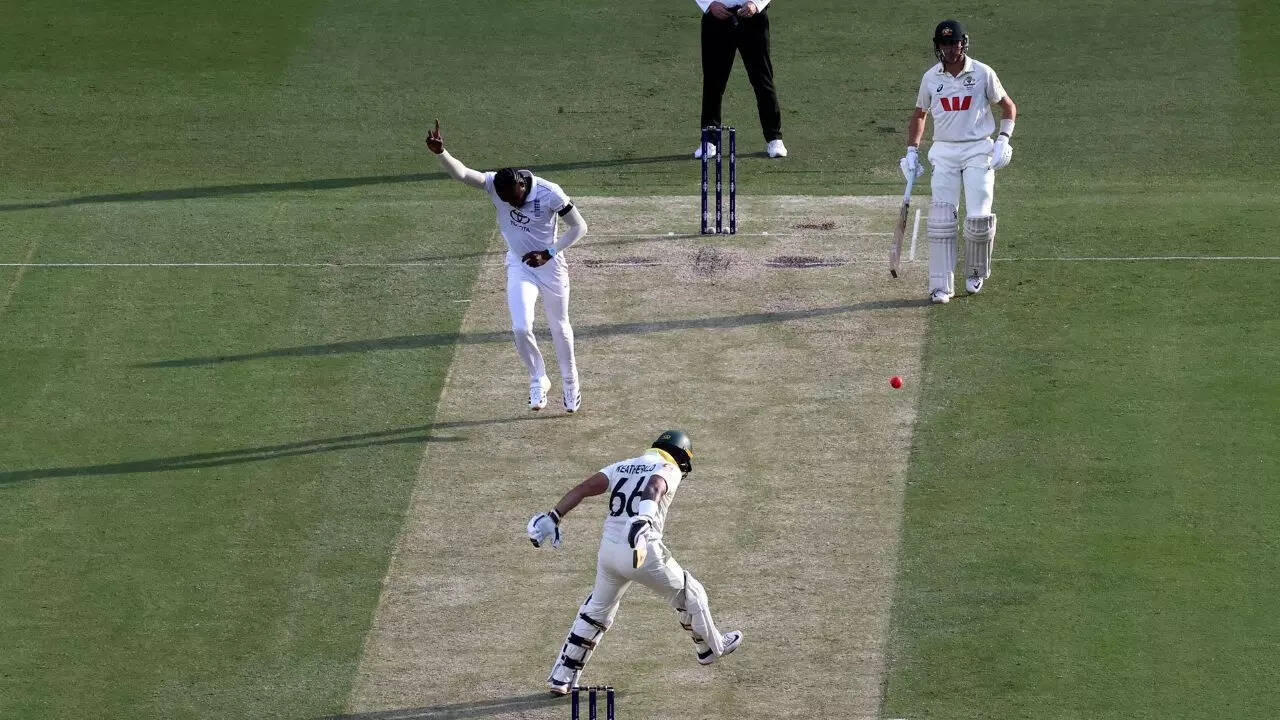
England’s Jofra Archer (L) reacts after dismissing Australia’s Jake Weatherald (C) LBW on day two of the second Ashes cricket Test match between Australia and England at The Gabba in Brisbane
Where do you see the future of the two formats – ODI and Test cricket? There’s talk about a two-tier system.
I’d hate to see Test cricket slowly diminish over a period of time. I think it’s still the purest form of the game. It’s the purest test of any cricketer, whether a batter or a bowler. And I think that needs to be safeguarded. And how the ICC does that is a tough, tough task. Thankfully, I’m not the decision maker there, but I think that there needs to be an understanding of how we can respect the growth of the game, which is in the shorter format, while also protecting Test cricket very much in the background. I think most people will probably retire into the distance wanting to know, how much money they’ve made out of franchise cricket, rather than being highly respected as a Test player.
Going forward can we curtail or make it a four-day Test system because it’s a result-orientated game now with the WTC standings?
I think there’s a strong argument that Test cricket could be over four days, but I would also echo that with the caveat that overs are bowled in a day. I think that’s one of the biggest issues regarding the pace of Test cricket. And keeping the game moving forward. So if you’re going to have a four-day Test match, you’ve got to commit to finding a solution to maintain the over rate every single day of those four days.
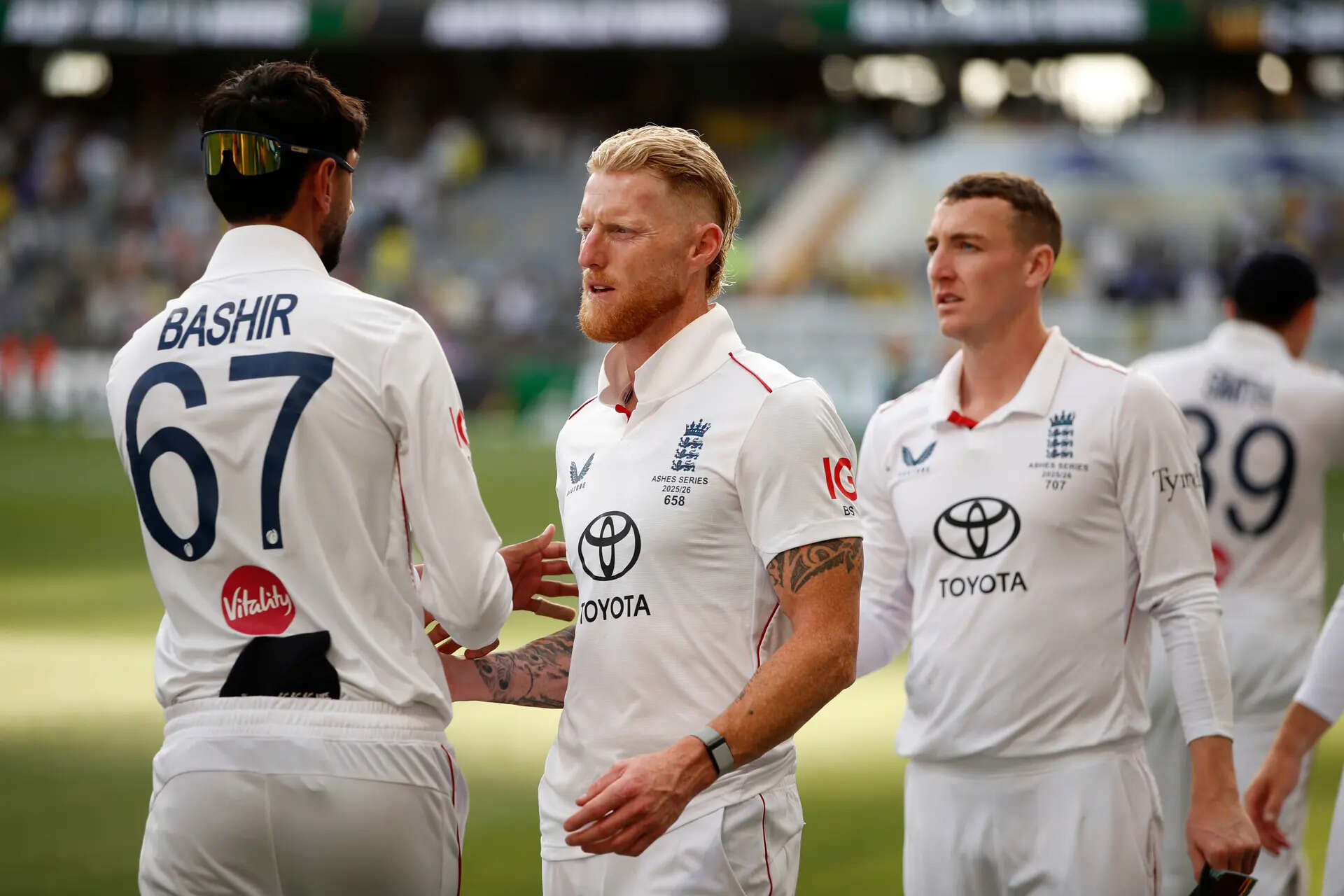
England’s captain Ben Stokes, second left, shakes hands with teammate Shoaib Bashir as he leaves the field after losing the first Ashes cricket test match against Australia in Perth, Saturday, Nov. 22, 2025.
You have been part of so many franchises and leagues. How different is ILT20 from other leagues?
This league is no different from other leagues. What stands out, though, is the clear growth of domestic players over the first three years, which is wonderful to see. For me, that’s the most important thing. If a cricket board like the Emirates Cricket Board has its own league, it should fast-track and develop local talent. We’ve seen that UAE players selected by teams this year are very strong, and the exposure they get will only accelerate their development.
How does a T20 league’s auction work? Is it taxing for a coach?
I think at the end of the day, the auction is an interesting dynamic. The important thing with auctions, in my view, is that there are two different ways to view it. You have needs and you have wants. The wants aren’t going to win you anything. The needs are. What you need to balance your side is the most important thing. We all want to have the best players. But within a budget, you can’t have all the best players. So it’s just it’s really important that you remain focused on exactly what you need to balance your side and to make you a stronger team.

Former Australian cricketer Tom Moody speaks during an event
Poll
What do you think is the biggest challenge facing the future of Test cricket?
In your experience, has coaching evolved over time?
Oh, there’s no question coaching has evolved; it constantly evolves because the game is constantly evolving. So you need to adapt not only to the game and how that’s changing and try to get ahead of the curve. But you also need to understand the players and the playing group that you’ve got. At times you have a young group to which you need to adapt your coaching style. In other cases, you have a more established, experienced group. So your coaching style needs to adapt to that. So to me, it’s understanding what setting you’re in and also constantly being open to listening to the, you know, younger players coming through the system because they’re the ones really at the steering wheel, driving the game.