California colleges reach settlements over antisemitism complaints linked to campus protests
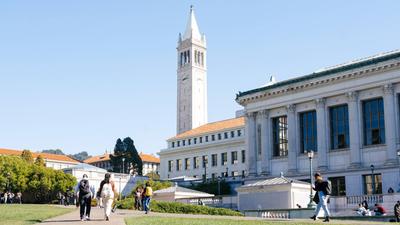
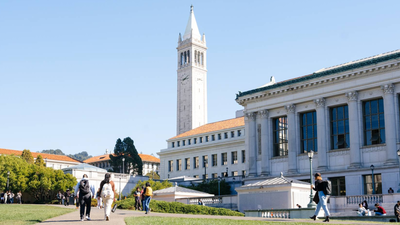
Two California colleges have reached settlements with Jewish organisations and individuals who filed complaints alleging antisemitism arising from pro-Palestinian campus protests, according to AP News. The agreements come at a time when universities across the United States are facing intense scrutiny over how they balance free speech, academic freedom, and civil rights protections amid heightened political tensions linked to the Israel-Gaza conflict.At the University of California, Berkeley, the settlement includes a $60,000 payment to Israeli sociologist and dance researcher Yael Nativ, who said she was not rehired despite strong student interest and positive feedback for her course.
UC Berkeley apologises to visiting professor after discrimination finding
According to AP News, UC Berkeley Chancellor Rich Lyons issued a formal apology to Nativ after a campus investigation concluded that she had been the victim of discrimination. Nativ had taught at the university as a visiting professor in 2022 and said her class had attracted significant enrolment and student engagement.As part of the settlement, the university has invited Nativ to return and teach her course in a semester of her choosing. The invitation follows her decision to file a lawsuit in state court earlier this year, after she said the university failed to act meaningfully on the findings of its own internal report.Nativ had urged the university to rehire her and take concrete steps to prevent similar incidents in the future. She said the response she received from university officials was inadequate and did not address the broader concerns raised by the investigation.
Pomona College announces structural changes after federal complaint
At Pomona College, officials said they will appoint a federal Title VI civil rights coordinator and establish a task force, committee, or advisory council focused on Jewish life and antisemitism on campus, AP News reported. The move comes after a federal complaint was filed last year with the US Department of Education, alleging civil rights violations in the college’s response to pro-Palestinian demonstrations.The complaint argued that the college failed to adequately protect Jewish students during campus protests and did not consistently enforce existing policies related to nondiscrimination and free speech.Some Jewish students told investigators that the protests created what they described as a hostile environment on campus. They also alleged that college leaders were slow to intervene or clarify institutional policies as demonstrations escalated.
Campus protests fuel national debate on free speech and safety
The settlements are part of a wider national reckoning over allegations of bias against both Jewish and Muslim students at US colleges in the two years since the deadly October 2023 Hamas attack on Israel. The attack sparked an Israeli military response in Gaza that has resulted in tens of thousands of deaths, according to regional authorities.University campuses have become flashpoints for protest and counter-protest, with administrators facing pressure from students, faculty, alumni, donors, and federal regulators to address concerns about safety, discrimination, and political advocacy in academic settings.According to AP News, Israel’s government has said it is prepared to move into the next phase of President Donald Trump’s proposed 20-point ceasefire agreement, even as the conflict continues to shape political discourse worldwide, including within higher education institutions.
Faculty discipline highlights growing scrutiny of classroom advocacy
Separately, UC Berkeley announced this week that a computer science lecturer, Peyrin Kao, has been suspended without pay for six months over alleged pro-Palestinian political advocacy in the classroom, the San Francisco Chronicle reported. The decision has added to ongoing debates about the boundaries between academic freedom and political expression in university classrooms.While Berkeley officials have said the suspension is unrelated to the settlement involving Nativ, the development underscores the broader challenges universities face in managing politically charged discourse on campus.
Universities face increasing federal and legal oversight
Legal experts say the settlements reflect growing pressure on colleges to demonstrate compliance with federal civil rights laws, including Title VI of the Civil Rights Act, which prohibits discrimination on the basis of race, colour, or national origin in institutions receiving federal funding.As federal investigations, lawsuits, and campus reviews continue, universities across the US are being forced to reassess how they respond to protests, protect vulnerable student groups, and ensure that political expression does not cross into harassment or discrimination.For many institutions, the cases at UC Berkeley and Pomona College serve as a reminder that campus decisions made during moments of political crisis can have long-term legal and reputational consequences.