

Are darkened elbows a cause for concern? Here’s what it means

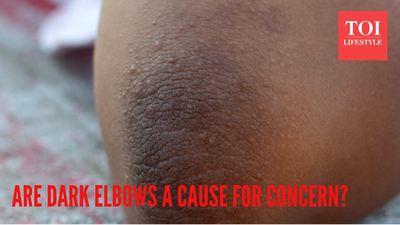
A lot of people struggle with darkened elbows, knees, or knuckles, when the rest of their body is of a lighter color. Darkened elbows are usually not a major concern, but they might indicate that your body has developed insulin resistance or that you lack essential vitamins. The observation of this tiny skin alteration, enables you to detect diabetes-related risks, together with skin damage from friction and nutritional deficiencies, at their initial stages. Let’s take a look…Common harmless causesDark elbows occur because the skin in this area develops into a thicker dry texture, which experiences increased friction. The skin develops a rough appearance with gray or brown discoloration, when it accumulates dead skin cells, while receiving insufficient moisture and sun protection.The following triggers occur in regular daily lifeFrequent leaning on desks or floors (friction)Dry skin and lack of moisturiserSun exposure without sunscreenPast eczema or psoriasis flares in that areaThese causes usually affect both elbows and do not itch badly or hurt

Acanthosis nigricans: A key warning signThe darkening of skin appears as multiple small velvety patches, which feel slightly thick to the touch, which could indicate acanthosis nigricans (AN). AN often appears in body folds such as the neck, armpits, groin, but can also show up on elbows, knees, and knuckles.The development of AN creates conditions, which lead to elevated insulin levels and insulin resistance, that progress into type 2 diabetes and metabolic syndrome. Research indicates that people who develop acanthosis nigricans, face an elevated danger of developing insulin resistance, which will lead to type 2 diabetes compared to individuals without this condition, particularly when they have excess body weight.Link with prediabetes and type 2 diabetesBecause AN reflects high insulin levels, it can be one of the first visible signs of prediabetes. People between 20 and 50 years, who develop dark velvety skin patches on their neck, elbows and knuckles while gaining weight, will likely develop insulin resistance.

The research used case-control analysis, to study young overweight participants who showed AN presence at twice the risk of developing type 2 diabetes, compared to obese participants without AN. The study established that AN stood as the primary cause, which led to insulin resistance in these participants. The research data showed that AN severity in neck areas, directly related to patients’ insulin fasting levels, and their insulin resistance test results.The presence of this pattern requires you to request blood sugar and insulin tests from your doctor.Could it be a vitamin deficiency?Less commonly, darkened flexural areas (skin folds and creases), are linked with vitamin B12 deficiency. Medical reviews of nutritional skin signs describe hyperpigmentation from low B12, that often shows on the face, palms, and flexural areas, similar to what is seen in some hormone problems.The condition produces additional symptoms, which include fatigue, hand and foot numbness, tingling, tongue pain and skin paleness. Your doctor will perform B12 level tests because you have unexplained skin fold darkening, and you consume mostly plant-based foods, and your digestive issues block nutrient absorption.When friction is the root causeThe skin can develop frictional hyperpigmentation, as a result of staying in kneeling positions, or constantly placing elbows on surfaces. Rubbing triggers extra melanin and thickened skin as a protective response, especially in darker skin tones, which naturally produce more pigment.Here, the darkening is usually:On the bony points of elbows and kneesRough, thick, and dryNot velvet‑like or spreading to neck and armpitsThe expert advice for treating this type of darkening skin discoloration, is using lactic acid and urea creams, for multiple months to exfoliate the skin surface, which will help reduce the appearance of darkened skin. This needs to be combined with better moisturising and reducing constant pressure on elbows.Other skin conditions that darken elbowsThe inflammatory skin conditions create permanent dark spots, which become visible after the redness of the skin disappears most commonly in patients with medium to dark skin complexion. The condition is known as post-inflammatory hyperpigmentation.Possible triggers include:Eczema or atopic dermatitis on the armsPsoriasis plaques on elbowsThe skin develops contact dermatitis because of exposure to fragrances and detergents and metal jewelry.Dark knees and elbows, can result from the combination of eczema, psoriasis, dry skin and sun exposure. Medical care becomes necessary to treat the rash symptoms through steroid creams and non-steroid anti-inflammatory creams, before starting a maintenance program which includes moisturizing and sun protection measures.When to contact a doctor…People should seek immediate medical help when they notice particular warning signs which appear with dark elbow skin.See a doctor if:The dark area spreads quickly or becomes very thick and itchyThere are dark, velvety patches, along with weight loss, weakness, or stomach pain.Pigmentation is very sudden, with no history of being overweight or insulin resistant.In rare cases, acanthosis nigricans can be linked to internal cancers, especially of the stomach and other organs, and tends to appear suddenly, and more severely. Doctors sometimes conduct cancer screenings in older patients, who develop sudden and extensive AN symptoms.What you can do at homePeople who have light to moderate dark elbow skin, which results from friction or dryness can use basic treatment methods. These include:Helpful habits include:Use creams containing urea, lactic acid and ceramides daily.You should gently exfoliate skin 1-2 times per week. Stay away from rough scrubbing methods.Wear long sleeves or use cushions to avoid constant leaning on hard surfacesApply sunscreen on exposed elbowsThe CDC identifies acanthosis nigricans as a typical skin condition which occurs in people with diabetes, so patients should receive tests for insulin resistance and blood sugar problems. Studies confirm that AN serves as a medical indicator, which helps doctors identify insulin resistance among obese patients.Disclaimer: This article is informational only and not a substitute for medical advice


