

Effective home remedies to get rid of ‘tiddas’ or grasshoppers from your home and garden |

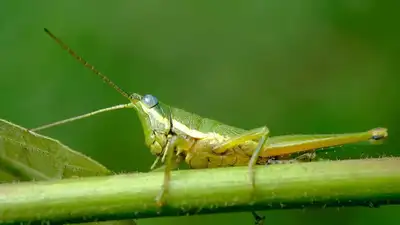
Grasshoppers, also known as tiddas in Hindi, are common garden insects that sometimes make their way into homes. While usually harmless when alone, they can nibble on your plants and cause frustration if not controlled. Their resemblance to locusts often confuses gardeners, but the two behave very differently. Grasshoppers tend to stay in small numbers, hopping around quietly, whereas locusts appear in large swarms and can devastate crops in no time. Knowing the difference and using natural, home-based remedies can help you keep your garden and living spaces free from these pests without resorting to harsh chemicals.
Why do grasshoppers come inside homes
Grasshoppers generally enter homes and gardens in search of food, particularly green and leafy plants. Environmental factors also influence their movement. High temperatures, dry conditions, or bright lights on porches and inside homes can attract them, especially at night. Unlike locusts, which move in large groups, grasshoppers are usually solitary and prefer to hop around quietly in search of suitable vegetation. By recognising the conditions that draw them indoors, you can take preventive measures to minimise their intrusion.
How to distinguish between grasshoppers and locusts
Grasshoppers and locusts look quite similar at first glance. Both have long legs and strong jumping abilities and can fly. The key difference lies in their behaviour and numbers. Grasshoppers tend to be solitary or appear in small groups. Locusts, however, form large swarms and can rapidly consume crops and garden plants. Observing whether insects are alone or in groups helps determine the appropriate control method and prevents unnecessary alarm.
Tips to get rid of grasshoppers at home and in the garden
Managing grasshoppers effectively involves a combination of prevention, natural repellents, and physical barriers. The following strategies can help:
Remove what attracts them
Overgrown plants, clusters of pots near windows or doors, and garden lights at night can draw grasshoppers inside. Regularly trimming vegetation and repositioning pots away from entry points can significantly reduce their presence. Switching off garden lights when not needed can also discourage them from approaching homes.
Use natural sprays
Home-made sprays can act as effective repellents. Mixing water with garlic or neem oil and applying it to plants helps deter grasshoppers. Additionally, planting herbs like basil or flowers such as marigolds around gardens can naturally repel these insects, as they dislike strong smells.
Block entry points
Installing mesh screens on windows and doors prevents grasshoppers from entering living spaces. If an insect does manage to get inside, gently guiding it out with a broom or catching it in a jar and releasing it outdoors is the safest method. These non-chemical approaches protect both household members and pets from exposure to harmful substances.
Common mistakes to avoid while removing grasshoppers
Many people make the mistake of using harsh chemical sprays inside the house when trying to get rid of outdoor insects. Such chemicals can be harmful to both humans and pets. Instead, it is better to focus on controlling the outdoor environment where grasshoppers originate.Prompt action is crucial. Waiting until insects are already inside can mean they have caused damage to plants or household areas. Preventive measures such as turning off outdoor lights at night and maintaining a tidy garden will significantly reduce the likelihood of infestation. Acting early and consistently is key to keeping grasshoppers away.Grasshoppers or tiddas can be more than just a minor nuisance if they find their way into your garden or home. By understanding their behaviour, identifying them correctly, and taking preventive steps, you can protect your plants and living spaces. Focus on outdoor maintenance, use safe home sprays, and block entry points to effectively manage these insects. With careful attention and early action, grasshoppers can be kept under control without resorting to harmful chemicals.Also Read: 7 plants that take care of your mental health naturally